
How to Review Your Mistakes After a Test
Getting a test back is an opportunity most students waste. Here's how to review your mistakes systematically so each error makes your next score better.
 Elias Thorne
The library
Every guide we've published, newest first. 34 in-depth articles on focus, tools, remote work, and digital wellbeing.
Getting a test back is an opportunity most students waste. Here's how to review your mistakes systematically so each error makes your next score better.
Elias Thorne

No classroom, no teacher, no problem. Here's how to teach yourself a language from scratch: structuring your learning, finding resources, and staying honest.
Elias Thorne

Your environment quietly shapes how well you focus. Here's how to set up a study space that pulls you toward work and keeps distractions at arm's length.
Elias Thorne

Make your study hours count. Learn how to manage your study time with realistic planning, prioritising, and spacing — evidence-aware tactics to use today.
 Priya Nair

Learn how to build a self-study plan that fits your goal and schedule — a simple, flexible framework for breaking big learning goals into doable steps.
 Marcus Bell

Practical, supportive ways to avoid burnout while studying — spotting the warning signs, building sustainable rhythms, and protecting your rest.
Elias Thorne

Exam stress is normal and manageable. Gentle, evidence-aware ways to steady your nerves, study calmly, and know when to reach out for more support.
Elias Thorne

How long does it take to learn a language? The honest answer depends on the language, your hours, and your goal. Here's a realistic way to set expectations.
Marcus Bell

Cramming word lists rarely works. Here's how to grow your vocabulary in a new language so the words stay, surface when you need them, and feel natural.
Marcus Bell

The night before an exam can either steady you or sabotage you. Here's a calm, evidence-aware plan for light review, good rest, and a clear head.
Elias Thorne

Stop re-reading and start remembering. Evidence-aware revision techniques — active recall, spacing, and self-testing — that make your hours count.
Priya Nair

The fear of speaking holds back capable learners every day. Here are gentle, practical steps to find your voice in a new language and speak with less anxiety.
Elias Thorne

Motivation comes and goes, so don't rely on it. Here's how to use systems, small starts, and honest goals to keep studying even when you'd rather not.
Elias Thorne

A practical guide to teaching yourself a new skill — how to set a clear goal, find resources, practise deliberately, and keep going when motivation fades.
Marcus Bell
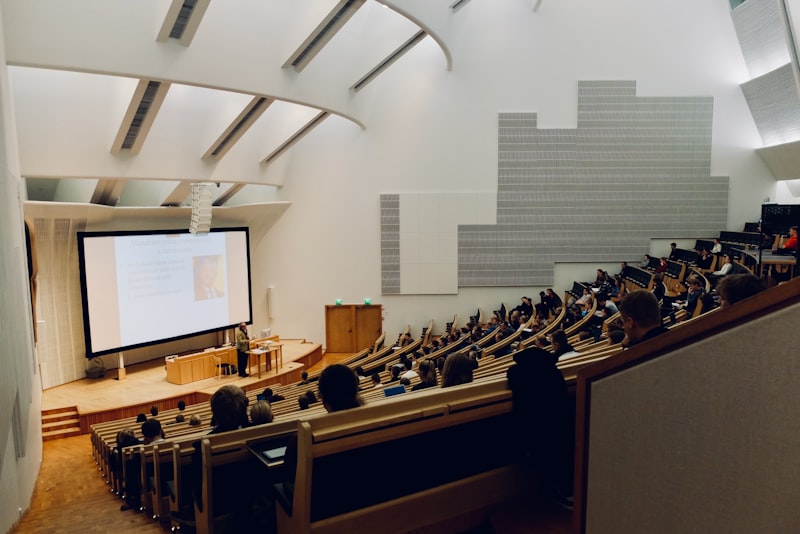
Learn how to stay disciplined in self-study by designing systems, not relying on willpower — habits to keep going when motivation inevitably fades.
Elias Thorne

A sustainable language routine beats heroic study sessions every time. Here's how to design daily practice that survives busy weeks and low motivation.
Marcus Bell

Stop putting it off. Learn why we procrastinate and how to beat it while studying — practical, evidence-aware tactics to start sooner and keep going.
Elias Thorne

You don't need to move abroad to immerse yourself in a language. Discover practical ways to surround yourself with input and build real, lasting fluency.
Marcus Bell

Memorizing faster is less about raw effort and more about technique. Here are evidence-based methods that help information stick the first time around.
Priya Nair

Build a revision timetable that survives contact with real life: how to map your time, prioritise weak topics, space sessions, and stay flexible.
Elias Thorne

Struggling to concentrate? Learn how to improve focus while studying with practical, evidence-aware tactics for distraction, attention, and mental energy.
Priya Nair

Learn how to take notes from video lessons that you actually remember — practical methods for pausing, structuring, and reviewing so the learning sticks.
Elias Thorne

Learn how to choose an online course that fits your goal, level, and time — a framework for judging quality and avoiding expensive, half-finished buys.
Marcus Bell

Speaking is the hardest skill to practise and the easiest to avoid. Here's how to build real conversation ability, even with no one to talk to yet.
Marcus Bell

Skip the highlighter and rereading. Here are the study techniques cognitive science actually supports, plus how to use active recall and spacing tonight.
Priya Nair

Take notes that actually help you learn — from the Cornell method to summarising in your own words. Practical, evidence-aware strategies that work.
Priya Nair

A practical guide to the best free resources for learning online, from courses and libraries to communities — and how to choose and actually use them well.
Marcus Bell

Learn how to study online effectively with active practice, a focused setup, and habits that beat passive video-watching — a guide you can use today.
Marcus Bell

A good study routine removes the daily debate about when and what to study. Here's how to design one around real life so it survives past the first week.
Priya Nair

Learn how to study effectively using active recall, spaced repetition, and focused sessions — a practical, evidence-aware method you can start tonight.
Elias Thorne

Motivation fades, but systems last. Learn practical, realistic ways to stay consistent learning a language so daily practice becomes a habit you keep.
Marcus Bell

A clear, evidence-aware plan for preparing for any exam: how to map the syllabus, build a routine, practise the right way, and walk in ready.
Priya Nair
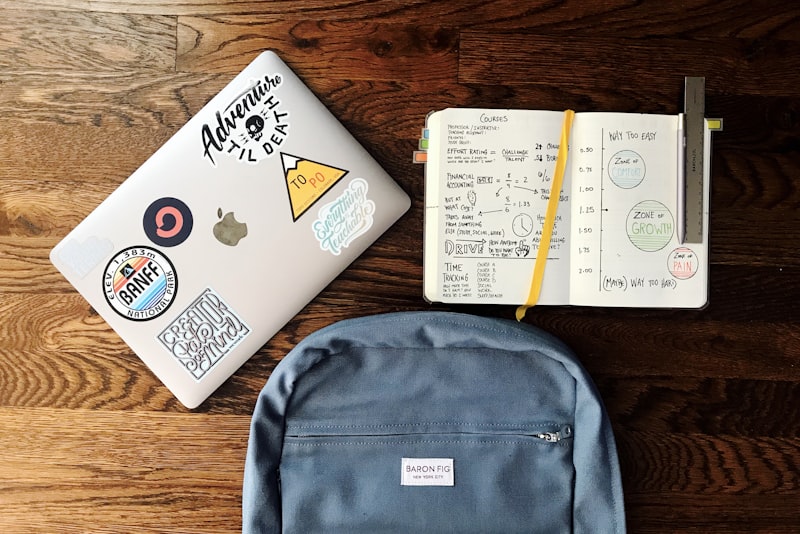
A practical, no-hype guide to learning a new language: how to start, what to prioritise, and how to keep going long after the novelty wears off.
Marcus Bell

Active recall and spaced repetition are the two study techniques worth building a routine around. Here's how each one works and how to combine them well.
Priya Nair