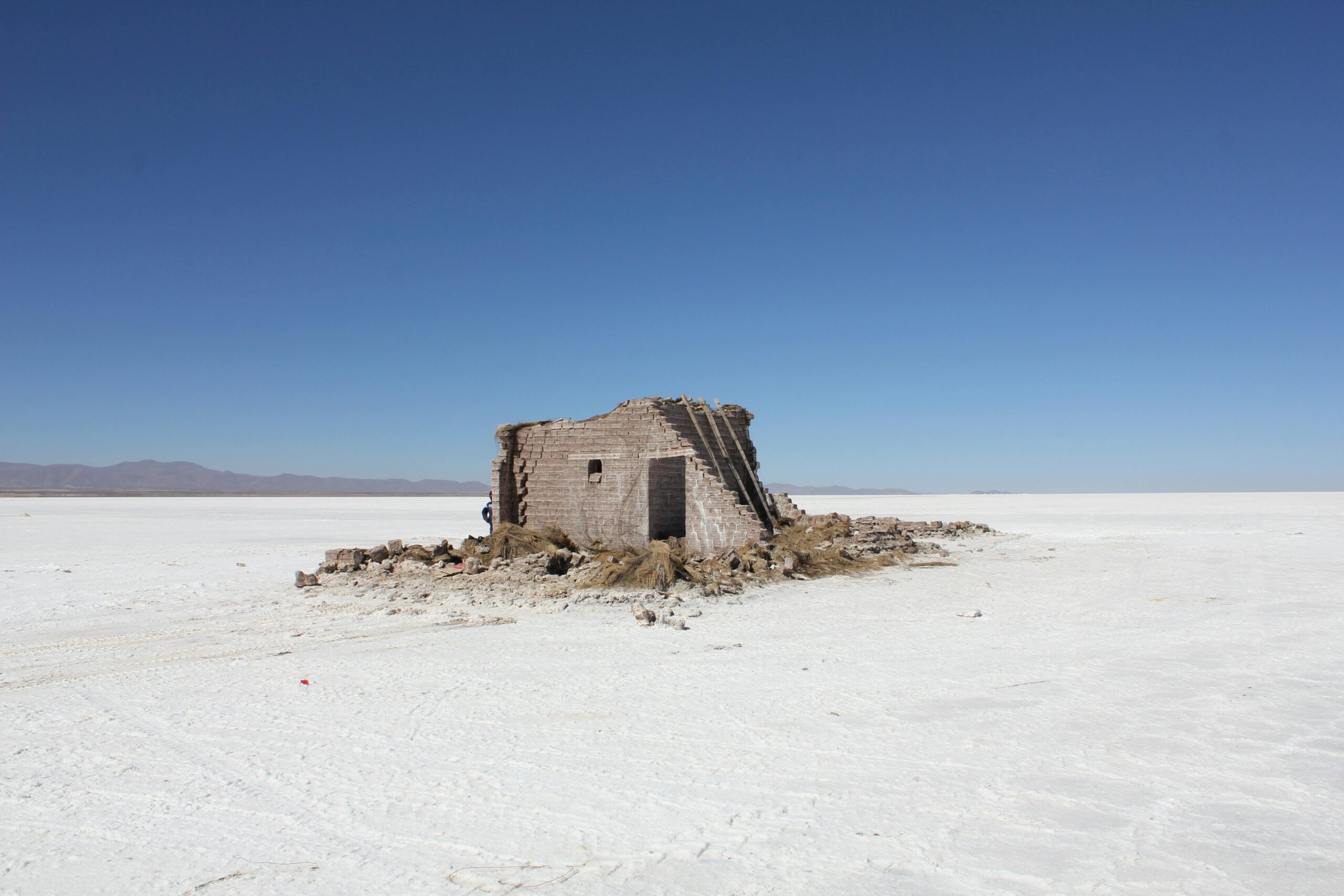
Historic buildings tell stories of the past, but moisture threatens their future. Understanding how water infiltrates these architectural treasures is crucial for effective preservation and restoration efforts.

🏛️ The Silent Enemy: Why Moisture Matters in Heritage Conservation
Moisture has been quietly destroying historic buildings for centuries, often working invisibly within walls, foundations, and roofing systems. Unlike modern structures built with vapor barriers and damp-proof courses, historic buildings were constructed using traditional methods and materials that interact with water in complex ways. The challenge facing conservationists today isn’t simply keeping buildings dry—it’s understanding the intricate pathways moisture follows and how these patterns affect structural integrity over time.
Historic masonry, timber frames, and traditional plasters were designed to work with moisture, allowing buildings to “breathe” naturally. When well-meaning renovations introduce modern materials that disrupt these traditional moisture management systems, the results can be catastrophic. Water becomes trapped, leading to accelerated decay, structural damage, and the loss of irreplaceable architectural heritage.
Decoding Traditional Construction: How Historic Buildings Were Designed to Handle Water
Understanding historic moisture management begins with appreciating how builders of the past worked with natural materials. Stone, brick, lime mortar, and timber all possess hygroscopic properties—they absorb and release moisture in response to environmental conditions. This dynamic relationship created a balance that allowed buildings to survive for centuries.
Traditional lime mortars, for instance, are significantly more permeable than modern cement-based alternatives. They allow moisture to evaporate from masonry walls while providing sufficient strength and protection. Similarly, historic roofing systems used materials like slate, clay tiles, and wooden shingles that shed water efficiently while allowing air circulation beneath.
The Science Behind Capillary Action in Historic Masonry
Capillary rise represents one of the most common moisture pathways in historic buildings. Water from the ground travels upward through tiny pores in masonry materials, sometimes reaching heights of several meters. In buildings constructed before the widespread use of damp-proof courses in the late 19th century, this phenomenon is particularly prevalent.
The rate and extent of capillary rise depend on several factors: pore size distribution in the masonry, salt content in materials, external ground conditions, and the presence of impermeable surface treatments. Understanding these variables helps conservators develop targeted intervention strategies that respect the building’s original design while addressing moisture problems.
🔍 Modern Diagnostic Techniques: Mapping Moisture Movement
Contemporary building diagnostics have revolutionized our ability to identify and track moisture pathways in historic structures. Non-invasive technologies now allow specialists to see inside walls without causing damage, providing unprecedented insight into how water moves through traditional construction.
Thermal Imaging and Infrared Thermography
Infrared cameras detect temperature variations across building surfaces, revealing moisture patterns invisible to the naked eye. Damp areas typically appear cooler due to evaporative cooling, creating distinct thermal signatures. This technique proves particularly valuable for identifying leaks, trapped moisture behind finishes, and areas of poor insulation that may contribute to condensation problems.
Experienced thermographers can distinguish between different moisture sources—rising damp, penetrating damp, and condensation—based on pattern recognition and thermal behavior over time. Seasonal monitoring provides additional context, revealing how moisture pathways change with weather conditions and occupancy patterns.
Electrical Resistance and Capacitance Moisture Meters
Handheld moisture meters offer quick, relatively affordable assessments of moisture content in building materials. Resistance meters measure electrical conductivity between two probes inserted into materials, while capacitance meters scan surfaces without penetration. Each technology has specific applications and limitations that skilled surveyors must understand to interpret results accurately.
For historic buildings, non-invasive capacitance meters often prove preferable as they avoid creating new penetrations in precious fabric. However, these instruments require careful calibration for different materials and can be affected by surface treatments, salts, and metal components within walls.
Environmental Monitoring: The Long-Term Perspective on Moisture Behavior
Single-point measurements provide snapshots, but understanding moisture pathways requires observing patterns over extended periods. Environmental monitoring systems track temperature, relative humidity, surface conditions, and moisture content continuously, revealing how buildings respond to seasonal changes and weather events.
Data loggers positioned strategically throughout historic buildings create detailed records of environmental conditions. Analysis of this information helps identify problem areas, evaluate the effectiveness of interventions, and predict future risks. This evidence-based approach has transformed conservation practice from reactive repairs to proactive preservation management.
Creating Effective Monitoring Protocols
Successful monitoring programs balance comprehensiveness with practicality. Key considerations include sensor placement, logging intervals, data management, and interpretation protocols. Sensors should be positioned to capture critical moisture pathways—near known vulnerable areas, at different heights to track capillary rise, and in locations representing various exposures and orientations.
Interpretation requires understanding baseline conditions and recognizing significant deviations. Not all moisture fluctuations indicate problems; seasonal variations are normal in traditional construction. The skill lies in distinguishing between acceptable hygroscopic behavior and concerning trends that may lead to deterioration.
💧 Common Moisture Pathways and Their Diagnostic Signatures
Different moisture problems create characteristic patterns that trained observers can recognize and diagnose. Understanding these signatures helps prioritize interventions and select appropriate remediation strategies.
Rising Damp: Identifying and Addressing Ground Moisture
Rising damp typically produces a horizontal band of moisture damage at lower wall levels, often extending 0.5 to 1.5 meters above ground level. Characteristic features include tide marks, salt efflorescence, deteriorating plaster, and damaged decorative finishes. However, diagnosis requires careful analysis—many conditions mistaken for rising damp actually result from other causes.
True rising damp occurs through capillary action when ground moisture contacts permeable masonry without an effective barrier. Historic buildings often lack damp-proof courses, making them susceptible. However, external ground level changes over centuries frequently create damp problems that didn’t exist originally. Lowering ground levels, improving drainage, and ensuring adequate ventilation often prove more appropriate than installing modern damp-proof courses that may trap moisture and cause additional damage.
Penetrating Damp: When Water Breaches the Building Envelope
Penetrating damp results from water entering through the building envelope—through deteriorated pointing, cracked render, damaged roofing, or defective rainwater goods. Unlike rising damp, penetrating damp patterns relate directly to exposure and weather patterns, typically appearing on elevations facing prevailing winds and rain.
Diagnostic signs include moisture penetration that worsens during rainfall, water staining patterns that suggest directional flow, and localized damage near obvious defects. Addressing penetrating damp requires repairing the building envelope while respecting traditional construction methods and material compatibility.
Condensation: The Hidden Moisture Source
Condensation occurs when water vapor in air contacts cold surfaces, converting to liquid water. In historic buildings, this often manifests in unheated spaces, behind furniture against external walls, and in poorly ventilated areas. Modern usage patterns—higher occupancy densities, reduced ventilation, and heating systems that create temperature gradients—frequently exacerbate condensation problems in buildings not designed for these conditions.
Distinguishing condensation from other moisture sources requires careful observation. Condensation typically appears as general surface dampness rather than localized penetration, affects coldest surfaces first, and improves with ventilation and heating. Hygrothermal modeling can predict condensation risks and evaluate potential solutions before implementation.
🛠️ Preservation Strategies That Respect Historic Fabric
Effective moisture management in historic buildings requires balancing conservation principles with practical necessity. Interventions should be minimal, reversible where possible, and compatible with traditional materials and construction methods.
The Importance of Material Compatibility
Using inappropriate materials represents one of the most common causes of moisture problems in historic buildings. Cement-based mortars, renders, and plasters create impermeable barriers that trap moisture within masonry, accelerating decay. Modern paints and coatings can have similar effects, preventing natural moisture movement and creating ideal conditions for rot, corrosion, and salt damage.
Conservation best practice emphasizes using materials similar to those originally employed. Lime mortars, breathable renders, and traditional paints allow moisture to evaporate while providing protection and structural support. Though often more expensive and time-consuming than modern alternatives, these materials preserve historic fabric and prevent long-term damage.
Drainage and Ground Management
Many moisture problems begin below ground level. Ensuring adequate drainage around historic buildings protects foundations and reduces moisture available for capillary rise. However, interventions must be carefully designed to avoid disturbing archaeological remains and historic ground surfaces.
Traditional drainage solutions—gravel beds, French drains, and proper ground profiling—often prove most appropriate. These systems work with natural moisture movement rather than attempting to create impermeable barriers that may fail or cause unintended consequences.
Case Studies: Learning from Successful Conservation Projects
Examining real-world examples illustrates how understanding moisture pathways leads to effective preservation solutions. Each historic building presents unique challenges requiring customized approaches based on construction methods, materials, environmental conditions, and usage patterns.
Medieval Church Restoration: Addressing Complex Moisture Sources
A 13th-century parish church exhibited severe deterioration of internal plasterwork and stone decay. Initial assessments suggested rising damp, but detailed investigation revealed multiple moisture sources working together. Ground level changes over centuries had created contact between soil and permeable masonry. Victorian cement repairs trapped moisture within walls. Modern heating systems created temperature gradients promoting condensation. Blocked drainage channels concentrated rainwater against foundations.
The solution involved multiple coordinated interventions: lowering external ground levels, removing cement repairs and replacing with lime, improving drainage, and modifying heating systems to reduce condensation. Environmental monitoring confirmed gradual improvement as the building regained its ability to manage moisture naturally.
Historic House Museum: Balancing Preservation with Public Access
Converting historic houses to museums creates moisture management challenges. Increased visitor numbers introduce additional moisture through respiration and perspiration. Climate control systems designed for artifact preservation may conflict with building fabric needs. One 18th-century house museum experienced condensation problems when mechanical ventilation was installed to meet conservation standards for displayed collections.
Resolution required sophisticated hygrothermal modeling to design a system balancing artifact preservation with building fabric conservation. Zoned climate control, strategic ventilation, and visitor management protocols created conditions acceptable for both building and collections. Continuous monitoring ensures the system performs as intended while allowing adjustments based on observed conditions.
🌍 Climate Change Considerations for Long-Term Preservation
Climate change presents new challenges for historic building preservation. Increased rainfall intensity, changing seasonal patterns, higher temperatures, and more frequent extreme weather events all affect moisture pathways and building performance. Conservation strategies must anticipate these changes and build resilience into preservation approaches.
Adaptation strategies include improving drainage capacity to handle more intense rainfall, ensuring roofing and rainwater systems can cope with extreme weather, and considering how changing patterns of wetting and drying may affect traditional materials. Climate modeling helps predict future conditions and evaluate whether current preservation approaches remain appropriate for coming decades.
Training and Expertise: Building Capacity for Conservation
Understanding moisture pathways in historic buildings requires specialized knowledge combining building science, materials technology, conservation principles, and practical experience. Unfortunately, this expertise is increasingly rare as traditional building trades decline and modern construction education focuses on contemporary methods and materials.
Developing capacity requires training programs that teach both theoretical understanding and practical skills. Apprenticeships with experienced practitioners, specialized conservation courses, and continuing professional development all contribute to maintaining expertise necessary for effective preservation. International knowledge exchange helps share successful approaches and learn from different conservation traditions worldwide.
Creating Your Moisture Assessment Strategy
Building owners, conservation professionals, and heritage managers need systematic approaches to moisture assessment that can be adapted to different building types, conditions, and resources. A comprehensive strategy includes initial assessment, detailed investigation when problems are identified, ongoing monitoring, and responsive maintenance.
Documentation proves essential—recording baseline conditions, tracking changes over time, and maintaining records of interventions creates valuable knowledge that informs future decisions. Photography, measured surveys, environmental data, and maintenance records together build a complete picture of building behavior and preservation needs.
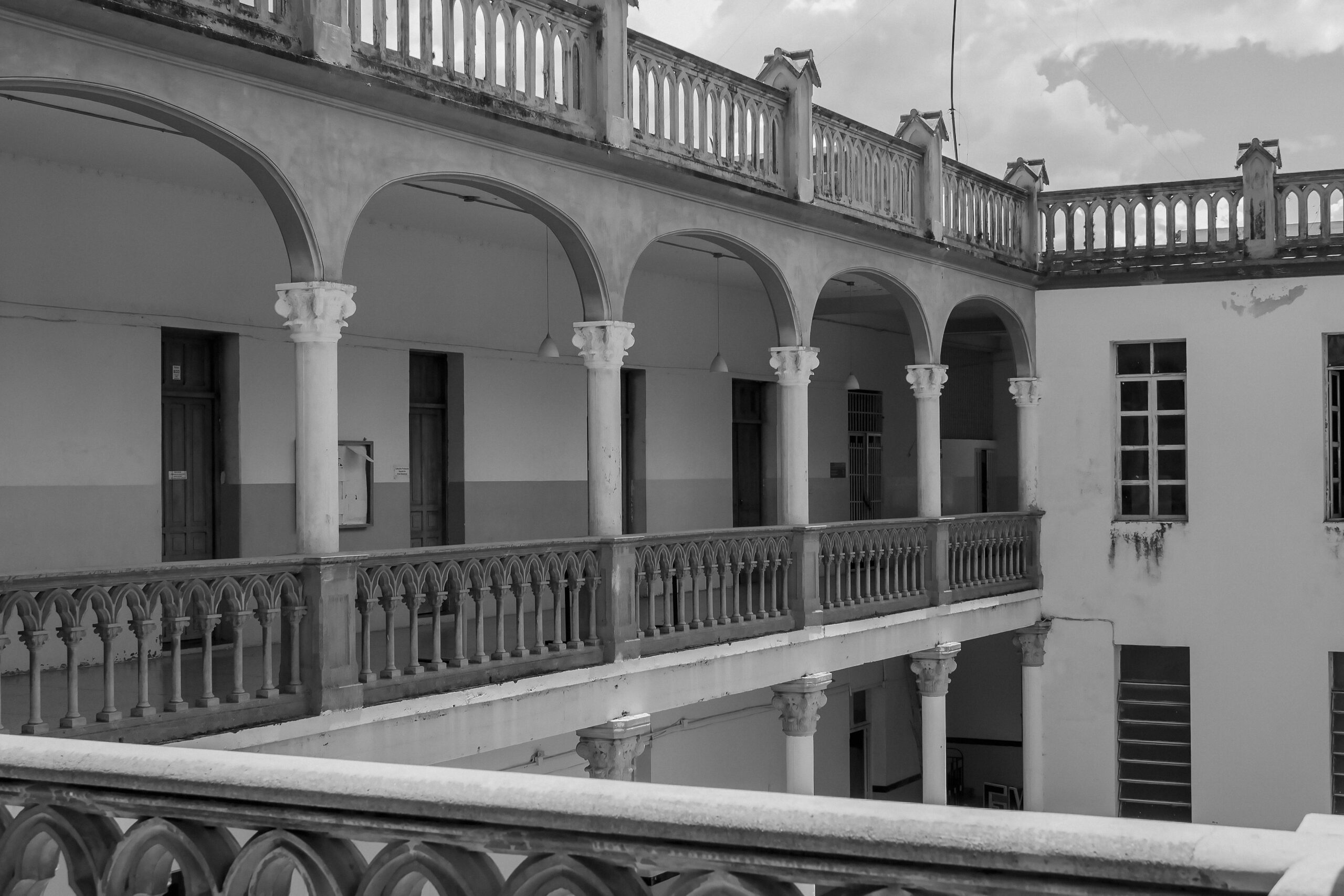
Looking Forward: Technology and Tradition in Harmony 🔮
The future of historic building preservation lies in combining traditional wisdom with modern technology. Advanced diagnostics reveal moisture pathways with unprecedented clarity, while understanding traditional construction methods ensures interventions respect original design intent. Machine learning and artificial intelligence increasingly assist with pattern recognition in monitoring data, predicting maintenance needs before problems become severe.
However, technology remains a tool supporting human expertise rather than replacing it. Successful conservation requires judgment, experience, and understanding that comes from deep knowledge of historic buildings and materials. The most effective practitioners blend old and new, using advanced diagnostics to understand traditional construction and selecting interventions that honor both historic fabric and conservation principles.
Preserving historic buildings for future generations depends on understanding how moisture moves through these structures and developing strategies that work with traditional construction methods rather than against them. By unlocking the secrets of moisture pathways, we can ensure these architectural treasures survive to inspire and serve communities for centuries to come. The investment in proper assessment, thoughtful intervention, and ongoing monitoring protects not just individual buildings but the collective heritage they represent—tangible connections to our shared past and irreplaceable resources for understanding history, culture, and traditional craftsmanship.