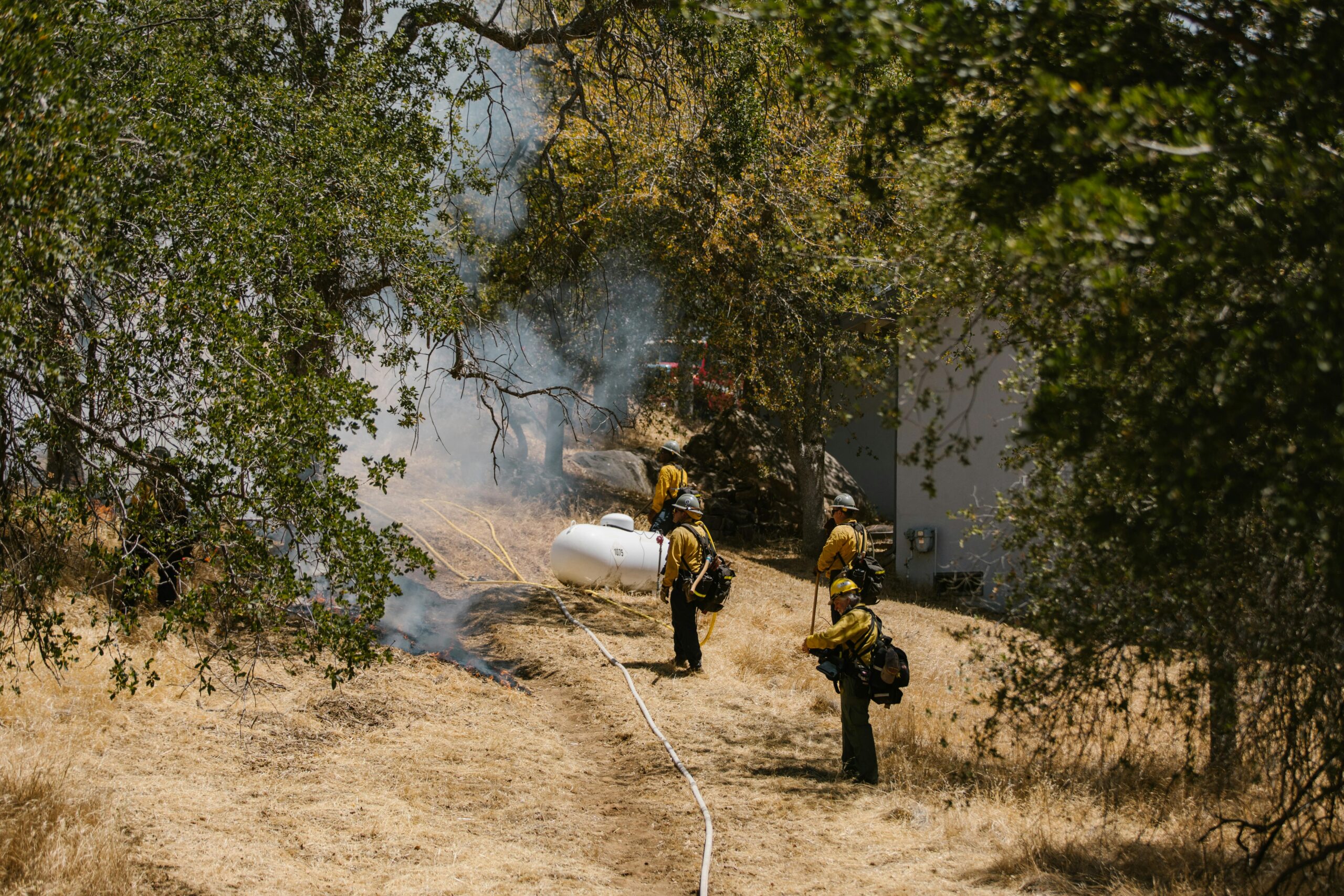
Preserving endangered species and natural habitats requires more than just protection from external threats—it demands pristine air quality that supports life at every level.

🌍 The Critical Connection Between Air Quality and Conservation
Conservation environments face unique challenges that extend far beyond the visible threats of habitat destruction and poaching. The invisible enemy—airborne contaminants—poses significant risks to both wildlife and the ecosystems they inhabit. From zoological facilities to botanical gardens, wildlife rehabilitation centers to seed banks, maintaining optimal air quality has become a cornerstone of successful conservation strategies.
Air pollution affects conservation spaces in ways that are often underestimated. Particulate matter, volatile organic compounds, pathogens, and chemical pollutants can infiltrate even the most protected environments, compromising the health of vulnerable species and disrupting delicate ecological balances. Understanding these threats and implementing effective filtration solutions represents a crucial step toward ensuring the long-term success of conservation efforts worldwide.
Understanding Airborne Threats in Conservation Settings
Conservation environments must contend with a diverse array of airborne contaminants that threaten the health and survival of protected species. These pollutants vary significantly depending on location, facility type, and surrounding environmental conditions.
Particulate Matter and Its Impact on Wildlife
Fine particulate matter (PM2.5 and PM10) represents one of the most pervasive threats to animals in captive and semi-captive environments. These microscopic particles can penetrate deep into respiratory systems, causing inflammation, reduced lung function, and increased susceptibility to disease. Birds, with their highly efficient but delicate respiratory systems, prove particularly vulnerable to particulate contamination.
Research conducted in zoological facilities has demonstrated that even moderate levels of particulate pollution can lead to chronic respiratory conditions in captive wildlife. Species adapted to pristine natural environments show heightened sensitivity to urban air pollutants, making filtration systems essential for facilities located near industrial or high-traffic areas.
Biological Contaminants and Disease Transmission
Airborne pathogens pose significant risks in conservation settings where multiple species coexist in closer proximity than they would in natural habitats. Fungal spores, bacteria, and viral particles can spread rapidly through ventilation systems, potentially triggering disease outbreaks that threaten entire collections of endangered animals or plants.
Aspergillosis, a fungal infection particularly dangerous to birds and reptiles, often spreads through airborne spores in inadequately filtered environments. Similarly, botanical conservation facilities must guard against fungal pathogens that can devastate rare plant collections, destroying years of cultivation and genetic preservation efforts.
🔬 Modern Filtration Technologies for Conservation Applications
The advancement of air filtration technology has provided conservation professionals with increasingly sophisticated tools for maintaining healthy environments. Selecting appropriate filtration solutions requires understanding the specific needs of each conservation setting and the species being protected.
HEPA Filtration: The Gold Standard
High-Efficiency Particulate Air (HEPA) filters remain the cornerstone of effective air purification in conservation environments. These filters capture 99.97% of particles measuring 0.3 microns or larger, effectively removing most biological contaminants, pollen, dust, and fine particulate matter from circulating air.
Modern HEPA systems designed for conservation applications incorporate several key features that distinguish them from standard commercial units. Variable speed controls allow facility managers to adjust filtration rates based on occupancy levels and specific activities. Sealed housing prevents contaminated air from bypassing the filter media, ensuring comprehensive purification throughout the protected space.
Activated Carbon and Gas-Phase Filtration
While HEPA filters excel at removing particulate contaminants, they prove ineffective against gaseous pollutants and odors. Conservation environments often require supplementary activated carbon filtration to address volatile organic compounds (VOCs), ammonia from animal waste, and other chemical contaminants that can accumulate in enclosed spaces.
Activated carbon works through adsorption, trapping gas molecules within its highly porous structure. Specialized formulations targeting specific contaminants—such as potassium permanganate-impregnated carbon for formaldehyde removal—provide enhanced protection for particularly sensitive species or specialized applications like specimen preservation facilities.
UV-C Sterilization Systems
Ultraviolet germicidal irradiation (UVGI) using UV-C wavelengths offers an effective supplementary approach to controlling airborne pathogens. These systems destroy or inactivate microorganisms by damaging their DNA, preventing reproduction and infection.
Conservation facilities increasingly integrate UV-C systems within HVAC ductwork or as standalone air purifiers in high-risk areas such as quarantine spaces, veterinary clinics, and nursery facilities. The technology provides continuous disinfection without introducing chemical residues that might harm sensitive species.
🦜 Specialized Filtration for Different Conservation Environments
Each type of conservation facility presents unique air quality challenges that require tailored filtration approaches. Understanding these specific needs ensures optimal protection for the species and ecosystems under care.
Zoological Facilities and Wildlife Centers
Zoos and wildlife rehabilitation centers house species with vastly different environmental requirements and sensitivities. Bird facilities demand particularly robust filtration due to avian respiratory vulnerability and the production of feather dust—a fine particulate that can clog standard filters and trigger respiratory issues in both animals and staff.
Large mammal enclosures generate substantial amounts of ammonia and other gaseous waste products that require efficient gas-phase filtration. Reptile facilities maintaining tropical species need humidity-resistant filtration systems that continue operating effectively in high-moisture environments without mold growth or degraded performance.
Botanical Gardens and Seed Conservation Facilities
Plant conservation spaces face distinct air quality challenges centered on preventing fungal contamination while maintaining appropriate humidity levels for diverse botanical specimens. Filtration systems must remove airborne fungal spores without over-drying the environment, requiring careful integration with humidity control systems.
Seed banks preserving genetic diversity for future restoration projects demand ultra-clean environments free from contaminants that could compromise viability during long-term storage. These facilities typically employ multiple filtration stages combined with strict environmental controls to ensure seeds remain viable for decades or even centuries.
Marine and Aquatic Conservation Centers
Aquatic conservation facilities must consider air quality in both visitor areas and technical spaces housing life support systems. Saltwater mist creates corrosive conditions that can damage standard filtration equipment, necessitating specialized materials and coatings designed for marine environments.
Indoor aquatic habitats require filtration systems that remove airborne salt particles while preventing the buildup of humidity that could promote mold growth. Air exchanged near water surfaces must be carefully filtered to prevent introducing terrestrial contaminants into sensitive aquatic ecosystems.
💡 Implementing Effective Filtration Strategies
Successfully deploying filtration solutions in conservation environments requires more than simply installing equipment—it demands comprehensive planning, proper maintenance protocols, and ongoing monitoring to ensure continued effectiveness.
Assessing Facility-Specific Needs
Before selecting filtration systems, conservation professionals should conduct thorough air quality assessments to identify specific contaminants and determine appropriate filtration capacities. Factors to consider include facility location, surrounding pollution sources, species housed, visitor traffic patterns, and existing ventilation infrastructure.
Professional air quality testing can reveal hidden problems such as elevated particulate levels during certain weather conditions, seasonal variations in biological contaminants, or unexpected chemical pollutants from nearby industries. This data informs strategic filtration placement and system specifications tailored to actual conditions rather than generic recommendations.
Strategic Placement and Airflow Design
Filtration effectiveness depends heavily on proper system placement and airflow patterns throughout conservation spaces. Creating positive pressure environments in critical areas prevents contaminated external air from infiltrating, while negative pressure in quarantine or medical spaces contains potential pathogens.
Air changes per hour (ACH) requirements vary dramatically between different conservation applications. Quarantine facilities for incoming animals might require 15-20 air changes per hour with robust filtration, while display areas housing established healthy populations might function adequately with 6-10 filtered air changes hourly.
Maintenance Protocols and Filter Replacement
Even the most advanced filtration systems fail without proper maintenance. Conservation facilities should establish regular inspection schedules, monitoring differential pressure across filters to determine optimal replacement timing before efficiency declines significantly.
Filter replacement procedures must follow protocols that prevent releasing accumulated contaminants back into the environment. Staff handling contaminated filters should use appropriate personal protective equipment, and disposal methods must comply with applicable regulations, particularly for filters containing biological hazards.
📊 Measuring Success: Monitoring Air Quality in Conservation Spaces
Implementing filtration systems represents just the beginning—ongoing monitoring ensures these systems continue protecting vulnerable species and ecosystems effectively.
Real-Time Monitoring Technologies
Modern air quality monitors provide continuous data on particulate levels, volatile organic compounds, humidity, temperature, and other critical parameters. These systems alert facility managers to filtration failures, unexpected contamination events, or gradual declines in air quality before they impact animal health.
Connected monitoring systems integrate with facility management software, creating historical datasets that reveal patterns, predict maintenance needs, and document compliance with conservation standards. This data proves invaluable for optimizing filtration strategies and justifying investments in air quality improvements.
Health Indicators and Animal Welfare Metrics
The ultimate measure of filtration effectiveness lies in the health outcomes of protected species. Regular veterinary assessments tracking respiratory health, disease incidence, and reproductive success provide direct feedback on whether air quality management strategies are succeeding.
Declining respiratory health indicators or increased disease susceptibility might signal filtration inadequacies even when monitors show acceptable numerical values, highlighting the importance of integrating quantitative air quality data with qualitative health assessments.
🌱 Sustainable Filtration: Balancing Protection and Environmental Responsibility
Conservation organizations naturally prioritize environmental sustainability in all operations, including air filtration systems. Fortunately, protecting air quality and minimizing environmental impact need not conflict with thoughtful system selection and management.
Energy-Efficient Filtration Solutions
Modern filtration systems incorporate energy-saving technologies that reduce operational costs while lowering carbon footprints. Variable-speed motors adjust airflow based on actual contamination levels rather than running constantly at maximum capacity. High-efficiency motors and optimized fan designs minimize electricity consumption without sacrificing performance.
Strategic scheduling—increasing filtration during high-occupancy periods while reducing intensity during off-hours—can substantially decrease energy use while maintaining protective air quality levels. Smart building management systems automate these adjustments, optimizing efficiency without requiring constant manual intervention.
Sustainable Filter Materials and Disposal
The environmental impact of filtration extends beyond energy consumption to include the materials used in filter construction and their disposal after use. Some manufacturers now offer filters incorporating recycled materials or using sustainable production methods that reduce environmental harm.
Extended-life filters reduce waste generation and replacement frequency, though these must be balanced against the need for maintaining optimal filtration efficiency. Some facilities explore filter refurbishment programs where media can be professionally cleaned or replaced while reusing housings and frames.
🔮 Future Innovations in Conservation Air Quality Management
Emerging technologies promise even more effective and efficient approaches to maintaining healthy air in conservation environments. These innovations combine advances in materials science, sensor technology, and artificial intelligence to create next-generation filtration solutions.
Photocatalytic and Plasma-Based Purification
Advanced oxidation technologies using photocatalytic materials or plasma generation offer alternatives or supplements to traditional filtration. These systems break down contaminants at the molecular level rather than simply capturing them, potentially reducing filter replacement needs while addressing pollutants resistant to conventional approaches.
While still emerging in conservation applications, these technologies show particular promise for controlling odors and gaseous contaminants without the media replacement requirements of activated carbon systems. Ongoing research explores their effectiveness and safety for diverse species.
AI-Powered Adaptive Filtration Systems
Artificial intelligence integration enables filtration systems to learn facility-specific patterns and optimize performance automatically. Machine learning algorithms analyze air quality data alongside occupancy patterns, weather conditions, and seasonal variations to predict contamination events and adjust filtration proactively.
These intelligent systems can identify unusual patterns that might indicate equipment malfunctions, unexpected pollution sources, or emerging health threats, alerting managers to investigate before problems escalate. Predictive maintenance algorithms forecast filter replacement needs more accurately than simple time-based schedules, optimizing both performance and operational efficiency.
🤝 Building a Culture of Air Quality Awareness
Technology alone cannot ensure healthy habitats—successful air quality management requires institutional commitment and staff awareness at all levels. Conservation organizations benefit from cultivating a culture that recognizes air quality as fundamental to their mission rather than an ancillary concern.
Training programs should educate staff about the impacts of air pollution on species health, proper filtration system operation, and recognizing signs of air quality problems. Empowering all team members to report potential issues creates multiple layers of vigilance protecting vulnerable populations.
Transparent communication about air quality management demonstrates organizational commitment to animal welfare and environmental stewardship. Sharing air quality data and improvements with stakeholders, donors, and the public highlights the comprehensive nature of modern conservation efforts and may inspire support for continued investments in these critical systems.

🎯 Creating Blueprints for Success
Implementing world-class air filtration in conservation environments requires thoughtful planning, appropriate technology selection, diligent maintenance, and ongoing commitment to excellence. Organizations beginning this journey can learn from successful implementations worldwide, adapting proven strategies to their unique circumstances.
Starting with thorough assessments, conservation facilities should identify their most critical needs and prioritize interventions accordingly. Incremental improvements—beginning with the most vulnerable populations or highest-risk areas—allow organizations to demonstrate value and build momentum for comprehensive air quality programs.
Collaboration with filtration specialists experienced in conservation applications ensures system designs meet the unique requirements of protecting endangered species and sensitive ecosystems. These partnerships bring specialized knowledge that prevents costly mistakes and accelerates the path to healthy, well-filtered environments.
The invisible threat of airborne contaminants demands invisible guardians—sophisticated filtration systems working continuously to protect the remarkable species entrusted to human care. As conservation challenges intensify globally, ensuring pristine air quality represents an increasingly critical component of comprehensive species protection strategies. Through thoughtful implementation of appropriate filtration technologies, careful monitoring, and sustained commitment to air quality excellence, conservation organizations create optimal conditions for vulnerable species to thrive, reproduce, and eventually return to restored wild habitats. Clean air forms the foundation upon which all other conservation efforts build, making investment in effective filtration solutions not merely advisable but essential for any organization serious about protecting Earth’s biological heritage for future generations.