
# Keeping Your Botanical Archives Pristine: Effective Pest Management Strategies to Preserve Your Precious Plant Collection

Preserving botanical specimens requires vigilance against destructive pests that threaten to destroy irreplaceable plant collections accumulated through years of dedicated fieldwork and research.
Whether you’re a professional botanist, museum curator, or passionate plant enthusiast, protecting your dried plant specimens from insect damage is a constant battle. Herbarium collections represent invaluable scientific resources, documenting biodiversity across time and geography. Yet these carefully pressed and mounted specimens remain vulnerable to silent invaders that can reduce decades of work to dust in mere months.
Understanding the threats facing your botanical archives and implementing comprehensive pest management strategies ensures your plant collection remains intact for future generations of researchers, students, and nature lovers. Let’s explore the most effective approaches to safeguarding these precious scientific treasures.
🐛 Understanding the Enemy: Common Herbarium Pests
Before implementing control measures, identifying your adversaries is essential. Several insect species specifically target dried plant material, each presenting unique challenges to collection preservation.
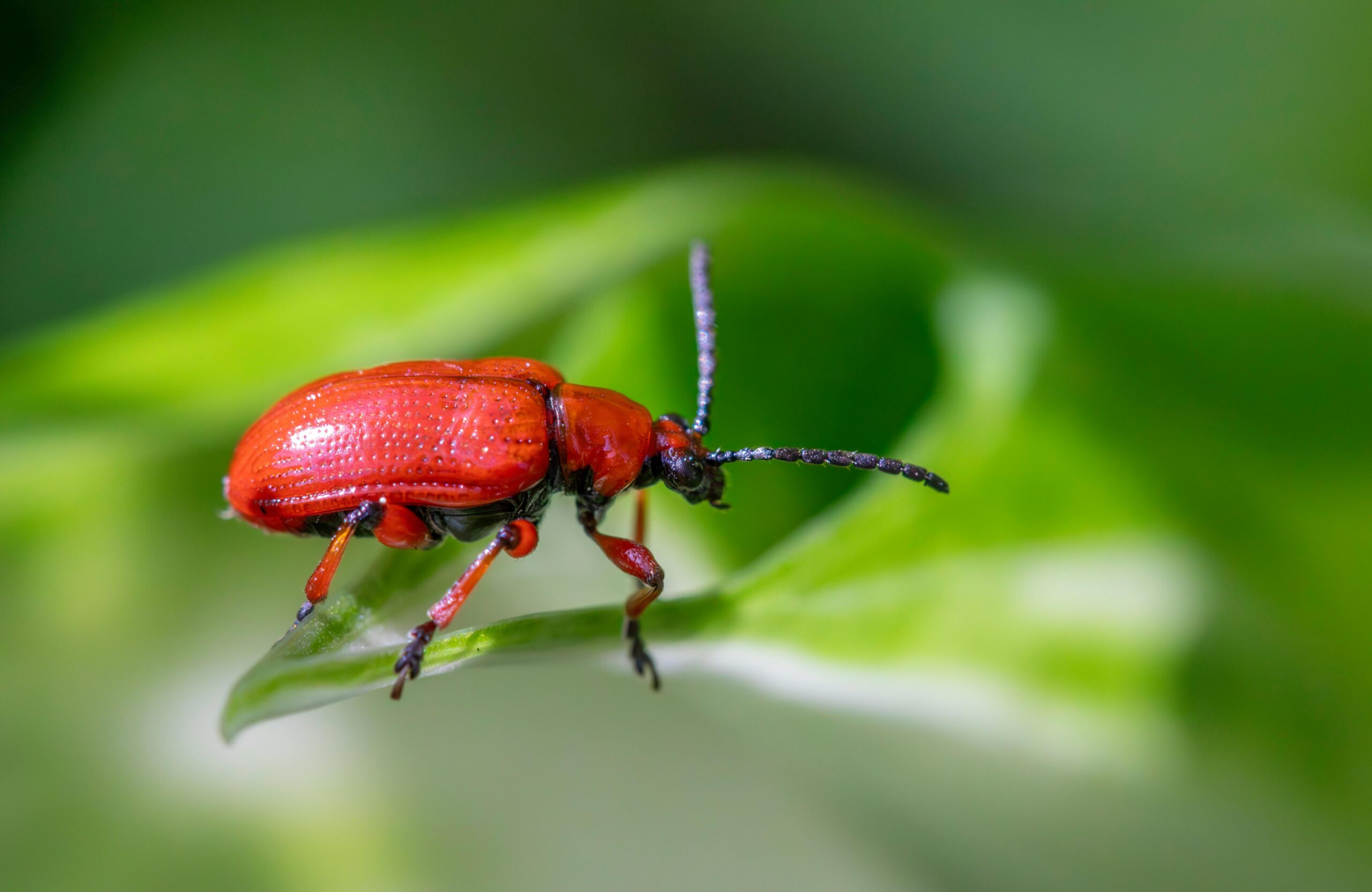
The cigarette beetle (Lasioderma serricorne) ranks among the most destructive herbarium pests worldwide. These tiny reddish-brown beetles bore through multiple specimen sheets, creating characteristic round exit holes. Their larvae consume cellulose, leaving behind frass and extensive damage that compromises specimen integrity and scientific value.
Drugstore beetles (Stegobium paniceum) closely resemble cigarette beetles but prefer drier conditions. They attack not only plant specimens but also the paper, cardboard, and adhesives used in mounting, making them particularly troublesome for archival collections.
Booklice or psocids represent another persistent threat. These microscopic insects thrive in humid conditions, feeding on fungal growth that develops on specimens stored in less-than-ideal environments. While they don’t directly consume plant material, their presence indicates moisture problems that can lead to more serious deterioration.
Silverfish and firebrats seek out starchy substances in mounting paper and labels. These wingless insects prefer dark, undisturbed areas, making herbarium cabinets ideal habitats. Their gradual feeding damage often goes unnoticed until significant harm has occurred.
Environmental Control: Your First Line of Defense 🌡️
Creating inhospitable conditions for pests represents the most sustainable and effective long-term preservation strategy. Environmental management reduces pest populations without chemical interventions, protecting both specimens and human health.
Temperature control serves as a powerful pest deterrent. Most herbarium insects thrive between 20-30°C (68-86°F). Maintaining collection spaces at cooler temperatures—ideally below 18°C (64°F)—significantly slows insect reproduction and development. Some institutions implement seasonal temperature cycling, exposing specimens to brief cold periods that interrupt pest life cycles.
Humidity management proves equally critical. Relative humidity between 45-55% prevents both fungal growth (which attracts booklice) and the desiccation that makes specimens brittle. Installing dehumidifiers, implementing HVAC systems with precise humidity controls, and using silica gel packets within storage cabinets helps maintain optimal conditions.
Proper air circulation prevents moisture accumulation and distributes conditioned air evenly throughout storage areas. Avoid overcrowding specimens, ensuring adequate space between sheets for airflow. Regular cabinet inspection allows you to detect condensation or musty odors indicating humidity problems before pests establish populations.
Light Management and Its Role in Preservation
While not directly related to pest control, appropriate lighting supports overall collection health. UV radiation degrades plant pigments and cellulose, weakening specimens and potentially making them more susceptible to insect damage. Use filtered or LED lighting that minimizes UV exposure, and keep collections in darkness when not being accessed.
Quarantine Protocols: Prevention Through Isolation 🔒
Preventing pest introductions proves far easier than eliminating established infestations. Rigorous quarantine procedures form an essential component of any preservation program.
All new acquisitions—whether field-collected material, donations, or loans from other institutions—should undergo mandatory isolation before joining main collections. Designate a separate quarantine room or cabinet away from primary storage areas.
Inspect incoming specimens thoroughly under magnification, examining both plant material and mounting paper for insect eggs, larvae, frass, or adult pests. Pay particular attention to flower heads, folded leaves, and the space between specimen and mounting paper where insects often hide.
Freezing represents the gold standard for quarantine treatment. Place new specimens in sealed plastic bags and freeze at -20°C (-4°F) for at least 72 hours, or at -30°C (-22°F) for 48 hours. This kills all life stages of most herbarium pests without chemical residues or specimen damage.
After freezing, allow specimens to return to room temperature gradually while still sealed to prevent condensation. Once acclimated, inspect again before introducing specimens to main collections.
Integrated Pest Management: A Holistic Approach 🎯
Integrated Pest Management (IPM) combines multiple control strategies to achieve long-term pest suppression while minimizing environmental impact. This science-based approach has become standard practice in museums and herbaria worldwide.
Regular monitoring forms the foundation of IPM programs. Establish a systematic inspection schedule, examining representative specimens from different collection areas monthly. Document observations in a pest monitoring log, tracking species identified, locations, and population trends.
Sticky traps placed strategically throughout storage areas provide early warning of pest activity. Position traps near doors, windows, ventilation systems, and at regular intervals along cabinet rows. Check traps weekly, identifying and counting captured insects to establish baseline data and detect population increases.
When monitoring reveals pest activity, assess the scope and severity before implementing control measures. Limited, localized infestations may respond to increased monitoring and targeted freezing of affected specimens. Widespread problems require more comprehensive interventions.
Chemical Controls: When and How to Use Them
While environmental management and physical controls should always be prioritized, chemical interventions sometimes become necessary for severe infestations. Modern pest management emphasizes targeted applications over preventive fumigation, reducing health risks and environmental impacts.
Oxygen-free storage using inert gases like nitrogen or argon effectively kills insects while leaving no harmful residues. Specimens are sealed in airtight bags or chambers with oxygen scavengers, creating anoxic conditions that eliminate pests within 2-3 weeks.
Professional fumigation using phosphine or sulfuryl fluoride may be warranted for valuable collections with extensive infestations. These treatments require specialized equipment, licensed applicators, and complete facility evacuation. Specimens must be properly sealed during treatment to prevent gas penetration that might affect pigments or volatile compounds important for research.
Avoid traditional mothballs (naphthalene or paradichlorobenzene), once common in herbarium storage. These substances pose health risks, leave residues that contaminate specimens for molecular studies, and provide incomplete pest control.
Physical Barriers and Storage Solutions 🗄️
Proper storage infrastructure prevents pest access and facilitates environmental control. Investing in quality cabinets and supplies pays long-term dividends through reduced damage and preservation costs.
Sealed metal cabinets provide superior protection compared to wooden furniture. Look for cabinets with gasket-sealed doors, minimal gaps, and smooth interior surfaces that eliminate hiding places. Powder-coated finishes prevent rust while remaining easy to clean.
Store specimens in folders or envelopes within cabinets, providing an additional barrier against pest contact. High-quality, acid-free paper protects specimens from chemical degradation while allowing airflow. Avoid plastic enclosures for long-term storage, as they trap moisture and create ideal conditions for fungal growth.
Maintain adequate spacing between specimens within folders. Overcrowding compresses delicate structures, restricts airflow, and makes pest detection difficult during inspections.
Cabinet placement matters for pest prevention. Position storage furniture away from exterior walls, windows, and plumbing where temperature fluctuations and moisture problems are most likely. Maintain clear spaces between cabinets and walls to facilitate inspection and airflow.
Digital Documentation: Insurance Against Loss 📸
While not directly related to pest management, comprehensive digital documentation provides insurance against catastrophic loss. High-resolution imaging captures specimen details that remain accessible even if physical material becomes damaged or destroyed.
Digitization programs serve multiple purposes beyond preservation security. Digital specimens facilitate research access without handling fragile originals, reducing wear and pest exposure opportunities. Online databases enable worldwide scientific collaboration and public education.
Prioritize imaging for type specimens, rare species, and historically significant collections most vulnerable to irreplaceable loss. Include labels, collection data, and specimen barcodes in images to maintain scientific traceability.
Staff Training and Institutional Culture 👥
Technical infrastructure and protocols only succeed when supported by knowledgeable staff and institutional commitment to preservation. Regular training ensures everyone handling collections understands their role in pest prevention.
Educate staff, students, and volunteers about herbarium pests, their life cycles, and damage symptoms. Provide magnifiers or microscopes for detailed inspection, teaching users what to look for during routine collection access.
Establish clear protocols for reporting suspected pest activity. Encourage immediate notification rather than waiting for scheduled inspections. Early detection enables rapid response before minor problems escalate into major infestations.
Create a culture where preservation is everyone’s responsibility. When all collection users understand their impact on specimen longevity, prevention becomes embedded in daily operations rather than remaining an afterthought.
Responding to Active Infestations: Emergency Protocols ⚡
Despite preventive efforts, infestations occasionally occur. Rapid, systematic responses minimize damage and prevent pest spread to unaffected areas.
Upon discovering active infestation, immediately isolate affected specimens in sealed plastic bags or containers. Remove them from storage areas to prevent pest migration to adjacent materials. Clearly label quarantined items with discovery date, location, and pest species if identified.
Freeze infested specimens promptly using the protocols described earlier. Extended freezing (7-10 days) ensures complete pest elimination, even if specimens contain eggs in protected locations.
Thoroughly inspect adjacent specimens and surrounding areas. Pests rarely remain confined to initial discovery sites. Expand inspection zones progressively until reaching areas with no infestation evidence.
Clean affected storage areas meticulously. Vacuum cabinet interiors, removing all debris, frass, and dead insects. Wipe surfaces with appropriate cleaners to eliminate eggs and larvae. Replace shelf paper if contaminated with pest residues.
Document infestation incidents thoroughly, recording dates, locations, species identification, treatment methods, and outcomes. This information reveals patterns that guide improved prevention strategies.
Sustainable Practices for Long-Term Success 🌱
Effective pest management represents an ongoing commitment rather than a one-time intervention. Sustainable practices ensure collection preservation across decades and generations.
Schedule regular collection assessments, examining not just pest presence but overall storage conditions. Annual or biennial comprehensive surveys identify emerging problems before they compromise specimens.
Maintain detailed records of environmental conditions, pest monitoring, and treatment interventions. This documentation enables trend analysis and demonstrates preservation program effectiveness to administrators and funding sources.
Stay informed about emerging pest management techniques and technologies. Attend professional conferences, participate in herbarium networks, and engage with conservation literature. Innovation continues advancing preservation capabilities.
Build relationships with other institutions, sharing experiences, challenges, and solutions. Herbarium pest management benefits from collective knowledge that transcends individual collections.
Protecting Scientific Heritage for Future Discoveries 🔬
Your botanical archives represent more than preserved plants—they embody centuries of exploration, discovery, and scientific advancement. Each specimen tells stories about our planet’s biodiversity, climate history, and ecosystem changes.
Modern research techniques continually reveal new information from herbarium specimens. DNA analysis uncovers evolutionary relationships, chemical studies document changing pollutant levels, and detailed measurements track species responses to environmental change. These investigations depend on well-preserved specimens remaining accessible to researchers.
Effective pest management ensures your collection continues serving science and society. The strategies outlined here—environmental control, quarantine protocols, integrated pest management, proper storage, and institutional commitment—work synergistically to protect irreplaceable botanical resources.
Start by assessing your current practices against these recommendations. Identify gaps and prioritize improvements based on collection vulnerability and available resources. Even modest enhancements to storage conditions or monitoring protocols significantly reduce pest risks.
Remember that perfect preservation conditions rarely exist outside major museum facilities. Focus on consistent application of sound principles rather than pursuing unattainable ideals. Regular attention to basics—temperature, humidity, cleanliness, and monitoring—prevents most serious pest problems.
Your dedication to preserving botanical specimens honors the collectors who gathered them and serves the scientists who will study them in years to come. Through thoughtful pest management, you ensure these precious plant archives remain pristine, protecting humanity’s botanical heritage for future generations to explore, appreciate, and learn from as they tackle conservation challenges we cannot yet imagine.