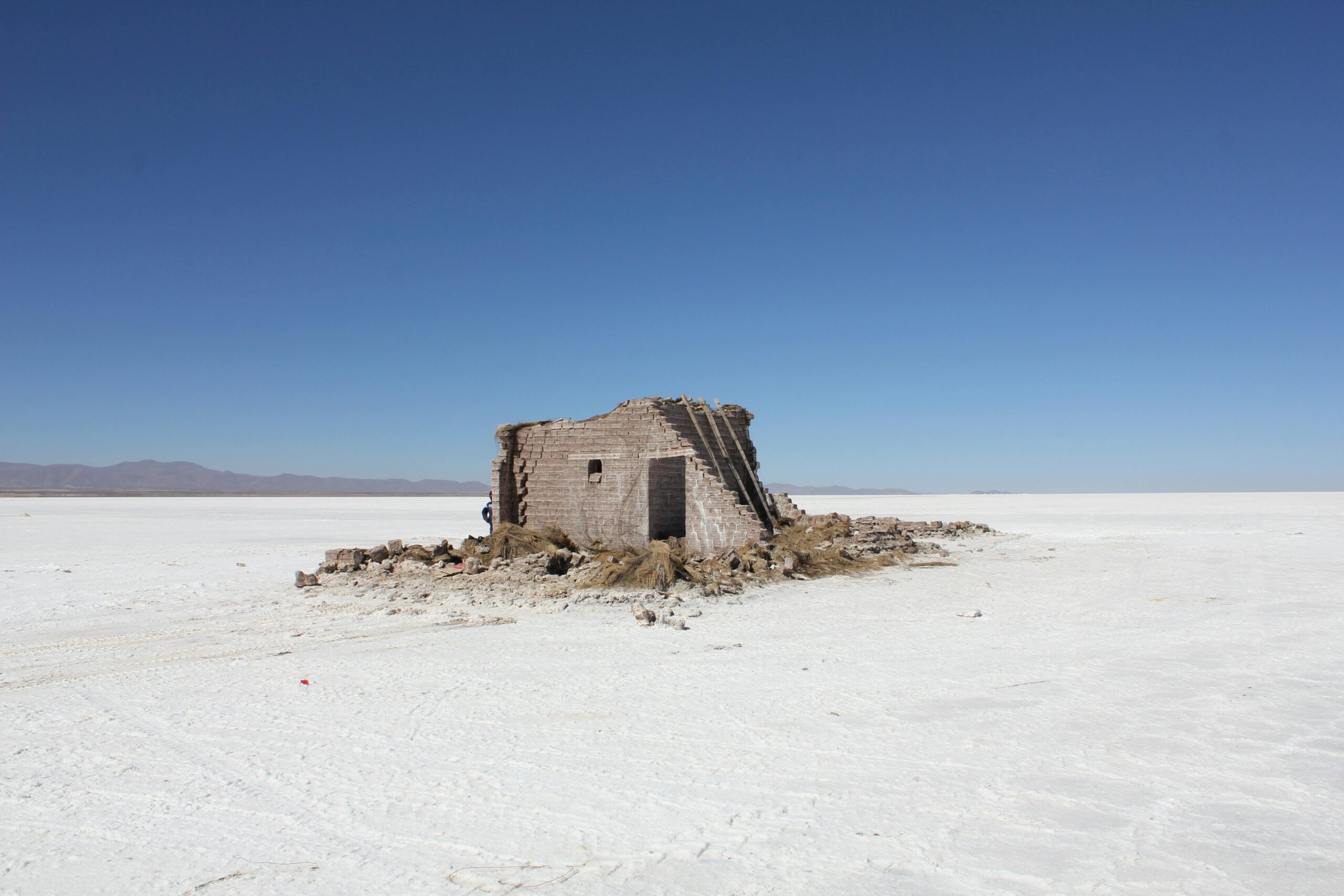
Geographic Information Systems are revolutionizing how we document, analyze, and preserve the world’s most significant cultural heritage sites through advanced spatial technology.

🗺️ The Digital Revolution in Heritage Conservation
Heritage sites across the globe face unprecedented challenges in the 21st century. From climate change and natural disasters to urban expansion and tourism pressure, these irreplaceable treasures require innovative management solutions. Geographic Information Systems (GIS) have emerged as a powerful tool that transforms how archaeologists, conservationists, and site managers approach the monumental task of protecting our shared cultural legacy.
Traditional documentation methods, while valuable, often fall short when dealing with sites spanning hundreds or thousands of acres. Paper maps deteriorate, photographic records become outdated, and coordination between multiple teams working on different aspects of a site becomes increasingly complex. GIS technology addresses these limitations by creating dynamic, multi-layered digital representations that capture both spatial and temporal dimensions of heritage sites.
Understanding GIS Technology in Archaeological Contexts
At its core, GIS mapping combines geographical data with descriptive information to create comprehensive digital models. For heritage sites, this means integrating various data types: topographical surveys, excavation records, architectural drawings, conservation reports, and historical photographs into a single, accessible platform.
The technology operates through layers of information that can be toggled on or off depending on user needs. An archaeologist might view structural remains overlaid with geophysical survey data, while a conservation specialist focuses on deterioration patterns mapped against environmental conditions. This flexibility makes GIS invaluable for massive heritage sites where different stakeholders require different perspectives on the same geographical space.
Core Components of Heritage GIS Systems
Effective GIS implementations for heritage management typically include several essential elements that work together seamlessly:
- Spatial database infrastructure storing coordinate-based information
- Raster and vector data layers representing physical features
- Attribute tables linking descriptive information to geographical locations
- Analytical tools for pattern recognition and predictive modeling
- Visualization capabilities for creating maps and 3D representations
- Mobile data collection interfaces for field work integration
📍 Mapping the Unmappable: Large-Scale Heritage Challenges
Massive heritage sites present unique management challenges that GIS technology is particularly suited to address. Consider archaeological landscapes like Angkor in Cambodia, spanning over 400 square kilometers, or the multi-period complexity of sites like Pompeii, where different historical layers overlap across extensive urban areas.
Traditional survey methods would require years to comprehensively document such sites, and by the time surveys were completed, conditions would have changed significantly. GIS enables continuous documentation where new information seamlessly integrates with existing data, creating a living record that evolves as knowledge advances.
Remote Sensing Integration
One of the most powerful aspects of modern heritage GIS is integration with remote sensing technologies. Satellite imagery, aerial photography, and drone surveys provide bird’s-eye perspectives that reveal patterns invisible at ground level. LiDAR (Light Detection and Ranging) technology penetrates forest canopy to reveal hidden structures, revolutionizing discoveries at sites like the Maya city of Caracol in Belize.
These remote sensing datasets, when processed through GIS platforms, allow researchers to identify previously unknown features, track changes over time, and prioritize areas for ground investigation or conservation intervention. The synergy between remote sensing and GIS has literally rewritten our understanding of numerous ancient civilizations.
Real-World Applications Transforming Heritage Management
Across continents, heritage professionals are leveraging GIS to solve practical management problems. At Petra in Jordan, GIS mapping tracks visitor flow patterns to prevent overcrowding in sensitive areas and identify infrastructure needs. The system integrates real-time data from entrance tickets with spatial information about site capacity, enabling dynamic crowd management.
In Italy, the Pompeii Archaeological Park uses GIS to coordinate restoration efforts across the vast site. Digital maps track which structures have been stabilized, which require urgent intervention, and how limited conservation resources should be allocated for maximum impact. This spatial prioritization has dramatically improved efficiency in preserving this World Heritage Site.
Risk Assessment and Disaster Preparedness 🚨
GIS excels at modeling risk scenarios crucial for protecting vulnerable heritage sites. By combining elevation data, hydrology information, and climate models, managers can predict flooding risks or identify structures most susceptible to earthquake damage. This predictive capability enables proactive conservation rather than reactive emergency response.
Following the devastating 2015 earthquakes in Nepal, GIS became essential for assessing damage across multiple heritage sites in the Kathmandu Valley. Digital models compared pre- and post-earthquake conditions, helping prioritize restoration efforts and document losses for UNESCO reporting requirements.
Building Comprehensive Digital Archives
Beyond immediate management needs, GIS creates permanent digital archives that preserve knowledge for future generations. As heritage sites inevitably change—through conservation work, natural deterioration, or catastrophic events—GIS provides a temporal record documenting their evolution.
These digital archives incorporate diverse media types. Excavation photographs link to specific grid coordinates, artifact databases connect to findspot locations, and historical documents reference geographical features. This interconnected web of information transforms fragmented records into coherent narratives about place and time.
Collaboration Across Disciplines and Borders
Cloud-based GIS platforms enable unprecedented collaboration among international teams. Researchers in different countries can simultaneously access and contribute to the same spatial database, breaking down geographical barriers that previously hindered joint projects. Version control systems track who made what changes when, maintaining data integrity while encouraging collaborative knowledge building.
For heritage sites spanning multiple modern nations—like the Roman Empire’s archaeological legacy stretching from Britain to Syria—GIS provides common frameworks for comparative research and coordinated preservation strategies across political boundaries.
🔍 Technical Considerations for Implementation
Successfully implementing GIS for heritage management requires careful planning and consideration of technical requirements. The scale and complexity of massive sites demand robust systems capable of handling enormous datasets without performance degradation.
| Technical Aspect | Heritage Site Considerations |
|---|---|
| Data Accuracy | Survey-grade GPS for centimeter-level precision in archaeological contexts |
| Storage Capacity | Scalable cloud infrastructure for managing terabytes of imagery and spatial data |
| Software Selection | Open-source vs. proprietary platforms based on budget and technical expertise |
| Mobile Compatibility | Rugged tablets and smartphones for field data collection in harsh environments |
| Interoperability | Standard formats ensuring data exchange between different GIS platforms |
Training and Capacity Building
Technology alone cannot solve heritage management challenges. Successful GIS implementation requires training local staff in spatial analysis, data collection protocols, and system maintenance. International projects increasingly emphasize capacity building, ensuring that communities and national heritage agencies can independently manage and update their GIS systems long after external experts depart.
Educational programs now integrate GIS training into archaeology and heritage conservation curricula. Universities partner with heritage sites to provide students with hands-on experience while simultaneously building comprehensive spatial databases through academic research projects.
Democratizing Access to Cultural Heritage
GIS technology creates opportunities for public engagement that were previously impossible. Interactive web maps allow virtual visitors to explore heritage sites from anywhere in the world, overlaying historical reconstructions on current conditions or comparing sites across different time periods.
These public-facing applications serve both educational and conservation purposes. By making heritage accessible digitally, sites can reduce physical visitor pressure while increasing global awareness and support for preservation efforts. Virtual tourism generates appreciation without contributing to the wear and tear that threatens many popular sites.
Mobile Applications for Site Interpretation 📱
Smartphone applications leveraging GIS data transform on-site visitor experiences. Location-aware guides trigger content based on where tourists stand, providing contextual information, historical photographs, or augmented reality reconstructions. This technology enhances visitor understanding while potentially guiding foot traffic away from particularly fragile areas.
For heritage managers, visitor-facing apps also generate valuable data about movement patterns and popular features, informing infrastructure placement and interpretation strategy refinements.
Overcoming Implementation Barriers
Despite obvious benefits, adopting GIS for heritage management faces several obstacles. Initial costs for hardware, software, and training can be substantial, particularly challenging for sites in developing nations or those lacking robust governmental support. Open-source GIS platforms like QGIS offer cost-effective alternatives to expensive proprietary software, though they may require greater technical expertise.
Data standardization presents another challenge. Different projects often use incompatible coordinate systems, measurement units, or classification schemes, making data integration problematic. International organizations like UNESCO and ICOMOS work to establish common standards, but adoption remains inconsistent across the heritage sector.
Balancing Technology with Traditional Knowledge
Heritage sites often hold deep significance for local communities whose connection to place extends back generations. Implementing GIS systems must respect indigenous knowledge and traditional management practices rather than imposing purely technological solutions. The most successful projects integrate traditional ecological knowledge and oral histories into spatial databases, creating hybrid systems that honor both cutting-edge technology and time-tested wisdom.
🌍 The Future of Heritage GIS
Emerging technologies promise to make GIS even more powerful for heritage applications. Artificial intelligence algorithms can automatically identify archaeological features in satellite imagery, dramatically accelerating site discovery. Machine learning models predict deterioration patterns, enabling preventive conservation before damage becomes critical.
Digital twin technology—creating comprehensive virtual replicas of physical sites—represents the next frontier. These dynamic models update continuously with real-time sensor data, monitoring environmental conditions, structural stress, and visitor impacts simultaneously. Digital twins enable scenario testing, allowing managers to predict consequences of different conservation interventions without risking actual heritage fabric.
Climate Change Adaptation Planning
As climate change increasingly threatens heritage sites worldwide, GIS becomes essential for adaptation planning. Coastal archaeological sites can model rising sea levels over coming decades, informing decisions about protective infrastructure or documentation priorities. Sites in arid regions use GIS to track changing precipitation patterns and groundwater availability affecting preservation conditions.
These predictive capabilities transform heritage conservation from reactive damage control to proactive long-term planning aligned with environmental realities.
Making the Investment: Why GIS Matters
The case for investing in GIS technology for massive heritage sites ultimately rests on a simple premise: we cannot protect what we do not understand, and we cannot understand what we have not systematically documented. GIS provides the framework for comprehensive documentation at scales previously unachievable.
Beyond practical management benefits, GIS serves accountability and transparency functions. Spatial databases create auditable records of conservation decisions and expenditures. Stakeholders from funding agencies to local communities can visualize how resources are allocated and what outcomes are achieved, building trust and supporting continued investment in heritage preservation.
The technology pays for itself through improved efficiency, better-informed decision-making, and enhanced ability to secure grants from international funding bodies that increasingly expect robust data management systems. For massive heritage sites operating on limited budgets, GIS represents not a luxury but an essential tool for responsible stewardship.
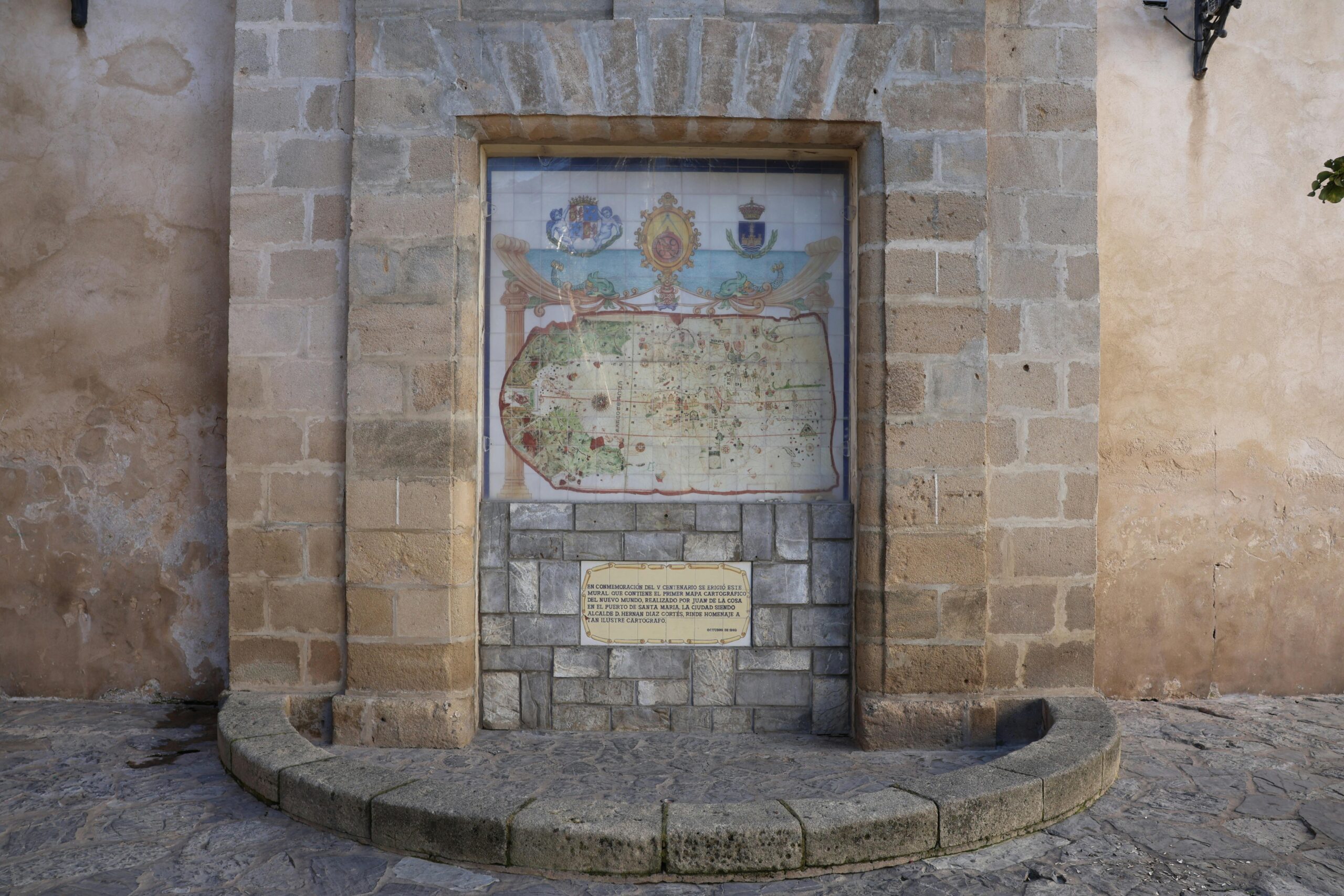
🔐 Preserving Our Shared Human Story
Heritage sites connect us to our ancestors and ground our understanding of human creativity, resilience, and achievement across millennia. As these irreplaceable treasures face mounting threats, GIS technology offers hope that we can rise to the preservation challenge.
The spatial stories locked within archaeological landscapes, historic cities, and cultural monuments need not remain hidden or fragmented. Through comprehensive GIS mapping, we unlock the past, making it accessible, understandable, and protectable for generations yet to come.
Every layer added to a heritage GIS represents another dimension of human experience captured digitally. Every coordinate recorded preserves knowledge that might otherwise vanish. In pixels and polygons, databases and digital elevation models, we are writing a new chapter in how humanity relates to its past—one where technology and tradition, data and storytelling, combine to safeguard the physical remnants of our collective journey.
The massive heritage sites that have survived centuries or millennia deserve management approaches equal to their significance. GIS mapping provides exactly that: a sophisticated, scalable, and sustainable framework for stewardship worthy of the treasures it serves.