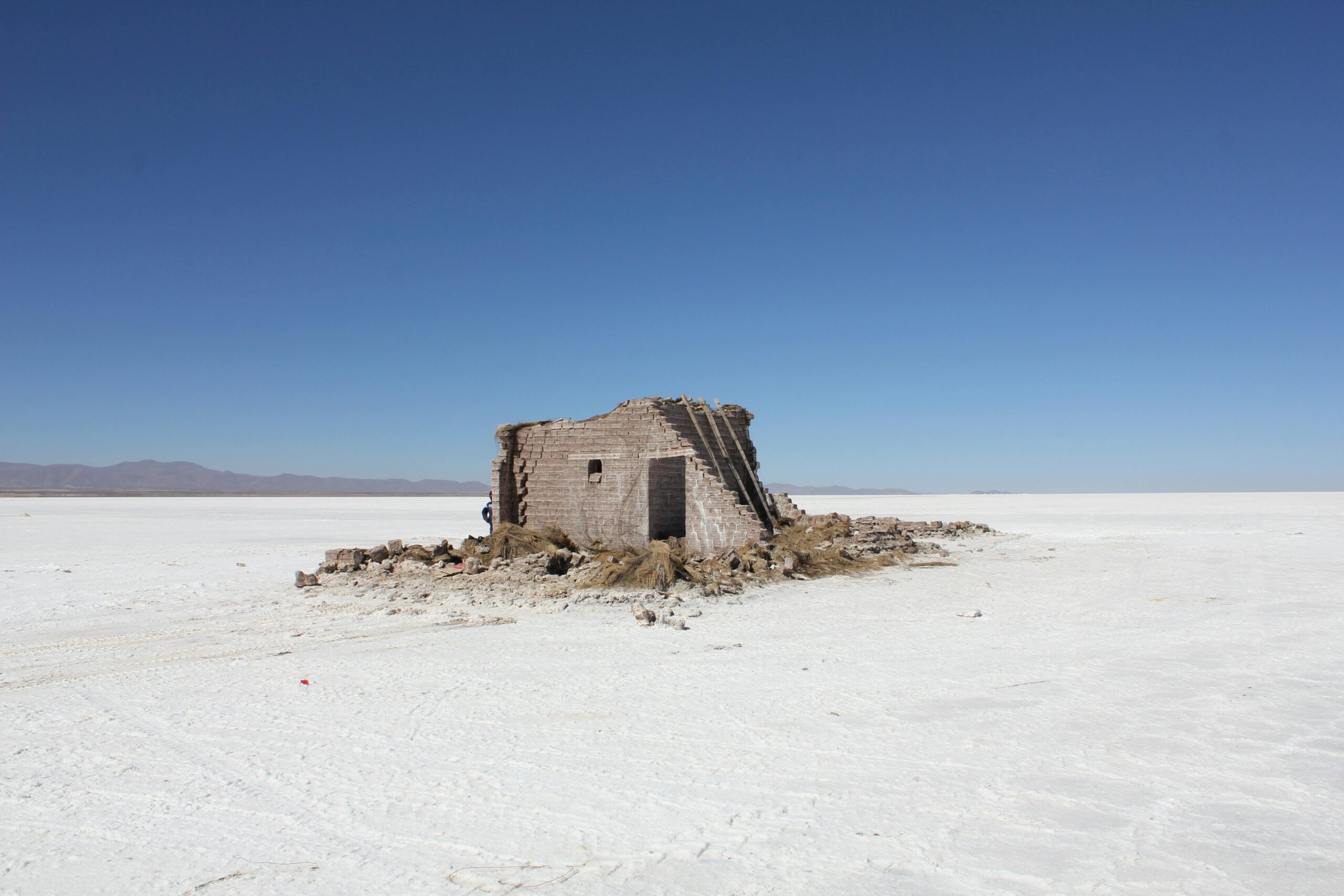
Built environments naturally deteriorate over time, but smart passive design strategies can dramatically slow this process while enhancing comfort, sustainability, and aesthetic appeal in your living or working space.

🏡 Understanding the Connection Between Design and Decay
The relationship between architectural design and building deterioration is more profound than most people realize. Every structure faces constant environmental pressures—moisture infiltration, temperature fluctuations, UV radiation, and biological growth all contribute to gradual degradation. However, passive design approaches work with natural forces rather than against them, creating resilient spaces that maintain their integrity for decades.
Traditional construction often relies on active systems and chemical treatments to combat decay, but these solutions require ongoing maintenance and energy consumption. Passive design represents a paradigm shift, incorporating time-tested principles that leverage natural phenomena to protect buildings from the inside out. By understanding how environmental factors cause deterioration, we can implement design solutions that address root causes rather than merely treating symptoms.
The Science Behind Material Degradation
Before implementing solutions, it’s essential to understand what causes decay in built environments. Moisture is the primary culprit in approximately 80% of building failures. When water penetrates building envelopes, it creates conditions favorable for mold growth, wood rot, metal corrosion, and concrete spalling. Temperature variations cause materials to expand and contract, creating stress fractures that accelerate deterioration.
UV radiation breaks down molecular bonds in many building materials, particularly plastics, paints, and organic compounds. Biological agents—from bacteria and fungi to insects and rodents—exploit vulnerabilities in structures, causing both cosmetic and structural damage. Understanding these decay mechanisms allows us to design spaces that naturally resist these destructive forces.
🌬️ Strategic Ventilation: Your First Defense Against Decay
Proper air circulation stands as one of the most effective passive strategies for reducing decay. Stagnant air traps moisture, creating microclimates where mold, mildew, and rot thrive. Strategic ventilation design ensures continuous air movement without relying on mechanical systems.
Cross-ventilation harnesses prevailing winds by positioning openings on opposite walls, creating natural air currents that sweep through spaces. This constant air exchange prevents moisture accumulation and maintains healthy indoor air quality. Stack ventilation utilizes thermal buoyancy—warm air rises naturally, drawing cooler air from lower openings and creating a self-sustaining circulation pattern.
Implementing Effective Natural Ventilation
Window placement determines ventilation effectiveness. Position windows to capture prevailing breezes while considering seasonal wind patterns. In warmer months, maximize openings on the windward side while providing adequate outlets on the leeward side. Clerestory windows near ceilings facilitate stack ventilation by releasing warm, moisture-laden air.
Ventilated cavities between wall layers create pressure-equalized systems that prevent moisture intrusion while allowing any trapped moisture to escape. This principle applies to roofing systems, wall assemblies, and foundation designs. Ridge vents, soffit vents, and gable vents work synergistically to maintain continuous airflow through attic spaces, preventing heat buildup and moisture condensation.
☀️ Solar Orientation and Thermal Mass Management
Building orientation relative to the sun profoundly impacts both energy efficiency and material longevity. Proper solar design reduces temperature extremes that stress building materials while controlling moisture levels naturally through strategic heating and drying.
South-facing orientations (in the Northern Hemisphere) maximize winter sun exposure while allowing for effective summer shading through properly sized overhangs. This reduces thermal cycling—the repeated expansion and contraction that fractures materials over time. East and west facades require careful consideration, as low-angle morning and afternoon sun can penetrate deeply into spaces and cause overheating.
Leveraging Thermal Mass for Stability
Materials with high thermal mass—concrete, stone, brick, and adobe—absorb heat during the day and release it gradually at night, moderating temperature swings. This temperature stabilization reduces condensation risk, one of the primary triggers for decay. When combined with appropriate insulation placement, thermal mass creates remarkably stable interior environments without mechanical intervention.
In cooling-dominated climates, position thermal mass where it receives indirect or no direct sun, allowing it to absorb excess heat from the space. In heating-dominated regions, place thermal mass where winter sun can strike it directly, storing solar energy for nighttime release. This strategic placement prevents the dramatic temperature fluctuations that accelerate material degradation.
💧 Water Management: The Critical Decay Prevention Strategy
Effective water management separates buildings that last centuries from those requiring replacement within decades. Passive water control begins with site selection and grading, ensuring water naturally flows away from structures rather than toward them.
Roof design should incorporate adequate slope for drainage—even seemingly flat roofs require minimum pitches to prevent ponding. Generous overhangs protect wall surfaces from direct rainfall, reducing moisture absorption and UV exposure simultaneously. These extensions create protected zones where wall materials remain drier and experience less weathering.
Integrated Drainage Systems
Foundation drainage represents perhaps the most critical yet overlooked aspect of decay prevention. French drains, properly sloped perimeter drains, and drainage planes direct groundwater away from foundations before it can penetrate basement walls or create hydrostatic pressure against footings.
Surface water management includes strategic landscaping that directs runoff away from structures. Swales, berms, and carefully graded surfaces ensure water follows predetermined paths rather than pooling near foundations. Rain gardens and bioswales serve dual purposes—managing stormwater while creating attractive landscape features that enhance property aesthetics.
🌿 Material Selection for Longevity
Passive design extends to material choices that inherently resist decay without chemical treatments or constant maintenance. Natural materials with proven durability over centuries offer sustainable alternatives to products requiring frequent replacement.
Cedar, redwood, and cypress contain natural oils that repel insects and resist rot, making them excellent choices for exterior applications. Stone and brick withstand weathering remarkably well, often improving aesthetically with age. Metal roofing, particularly copper and zinc, develops protective patinas that extend service life to 100 years or more.
Compatibility and Assembly Methods
Material compatibility prevents galvanic corrosion and chemical reactions that accelerate deterioration. Avoid direct contact between dissimilar metals without appropriate barriers. Use fasteners made from compatible materials—stainless steel screws for cedar siding, for example, rather than standard steel that would corrode and stain.
Assembly methods significantly impact longevity. Back-ventilated cladding systems create air gaps behind exterior materials, allowing moisture to escape while preventing water intrusion. Capillary breaks—thin layers of waterproof material—prevent moisture from wicking upward through masonry and concrete. These simple details dramatically extend material service life.
🏗️ Structural Strategies for Decay Resistance
Structural design choices influence how buildings resist decay over time. Elevated structures naturally drain better and experience less ground moisture contact. Pier and beam foundations allow air circulation beneath floors, preventing the moisture accumulation common in slab-on-grade construction.
Detailing matters immensely—edges, joints, and transitions represent vulnerability points where water can penetrate. Drip edges on windowsills and roof eaves direct water away from vertical surfaces. Flashing at all penetrations and transitions creates weatherproof barriers that shed water reliably.
Load Distribution and Stress Management
Proper structural design distributes loads evenly, preventing stress concentrations that create cracks where moisture can enter. Adequate structural depth provides resilience against deflection, which can compromise waterproof membranes and sealants. Expansion joints accommodate thermal movement, preventing the stress fractures that invite moisture intrusion.
🎨 Protective Design Features
Beyond core passive strategies, numerous design features provide additional decay protection while enhancing architectural character. Deep porches protect entries and wall surfaces from weather exposure, creating transitional spaces that also extend usable square footage.
Exterior shutters serve functional purposes beyond aesthetics—they protect windows during storms and can control solar gain when closed during peak heat periods. Louvered designs permit airflow while blocking direct sun and rain, making them ideal for climates with intense weather.
Landscape Integration for Building Protection
Strategic landscaping extends passive protection beyond the building envelope. Deciduous trees positioned to shade east and west facades reduce summer heat gain while permitting winter sun penetration after leaves drop. Evergreen windbreaks on prevailing wind sides buffer structures from harsh winter conditions and driving rain.
However, vegetation requires careful management—trees planted too close create moisture problems through shade and leaf accumulation. Maintain clearance between plantings and structures, ensuring adequate air circulation and preventing root intrusion into foundations.
🔍 Monitoring and Adaptive Management
Even excellently designed passive systems benefit from observation and minor adjustments. Regular visual inspections identify emerging issues before they become serious problems. Look for signs of moisture intrusion—staining, efflorescence, or biological growth—and address causes promptly.
Seasonal adjustments optimize passive system performance. Opening or closing vents, adjusting window coverings, and managing vegetation around buildings ensure systems function effectively year-round. These simple interventions require no energy but significantly enhance decay resistance.
🌡️ Climate-Specific Considerations
Effective passive design responds to local climate conditions. Hot-humid regions prioritize ventilation and moisture control, with elevated structures, generous overhangs, and light-colored reflective surfaces. Hot-dry climates benefit from thermal mass, minimal openings on east and west facades, and shading strategies.
Cold climates require different approaches—airtight construction with controlled ventilation, strategic insulation placement, and protection from freeze-thaw cycling. Temperate regions allow balanced approaches but still require attention to seasonal moisture variations and temperature swings.
Microclimate Optimization
Site-specific conditions create microclimates that affect building performance. South-facing slopes receive more solar exposure, north-facing slopes stay cooler and damper. Valley locations experience temperature inversions and fog accumulation, while hilltops face stronger winds. Understanding these local conditions allows design refinements that enhance decay resistance.
💡 Integrating Passive Design in Existing Structures
Passive decay reduction isn’t limited to new construction. Existing buildings benefit tremendously from passive retrofits that address decay vulnerabilities. Start with comprehensive assessments identifying moisture sources, ventilation deficiencies, and material vulnerabilities.
Improving roof ventilation through ridge and soffit vent installation provides immediate benefits. Adding gutters and downspouts where absent directs water away from foundations effectively. Installing window awnings or constructing overhangs protects vulnerable wall surfaces without major structural modifications.
Phased Implementation Strategies
Budget constraints needn’t prevent passive improvements. Prioritize interventions based on severity and impact—address active water intrusion first, then improve ventilation, and finally enhance solar control. Each improvement compounds previous benefits, gradually transforming problematic structures into durable, low-maintenance spaces.
Simple caulking and weatherstripping prevent moisture intrusion at minimal cost. Adding storm windows creates insulating air gaps that reduce condensation without replacing existing windows. Strategic landscaping improvements enhance drainage and provide shading incrementally as plants mature.
📊 Measuring Success and Long-Term Benefits
Passive design benefits manifest over years and decades rather than immediately. Reduced maintenance requirements provide the most obvious indicator—less frequent painting, fewer repairs, and extended material service life demonstrate effective decay prevention.
Energy consumption often decreases as passive strategies moderate indoor conditions, reducing heating and cooling loads. Indoor air quality typically improves due to better moisture control and ventilation. These benefits compound over time, creating increasingly comfortable, durable, and valuable spaces.
Economic Advantages of Passive Approaches
Initial investments in passive design features pay dividends throughout building lifespans. Avoided repair costs, reduced energy bills, and extended material life create substantial savings. Buildings designed with decay-resistant passive strategies often command premium resale values due to their proven durability and low operating costs.
Insurance considerations also favor decay-resistant design. Buildings less vulnerable to water damage and biological growth pose lower risks, potentially qualifying for reduced premiums. Documentation of passive design features demonstrates proactive risk management to insurers.
🌍 Environmental Impact and Sustainability
Passive decay reduction aligns perfectly with sustainability goals. Buildings lasting longer without frequent material replacement conserve resources and reduce waste. Eliminating chemical treatments and reducing reliance on mechanical systems minimizes environmental impacts throughout building lifecycles.
Passive strategies typically use locally-sourced, natural materials with lower embodied energy than manufactured alternatives. This reduces transportation impacts and supports local economies. Natural materials often biodegrade safely at end-of-life rather than persisting as environmental contaminants.

🎯 Creating Your Passive Design Action Plan
Implementing passive decay reduction begins with understanding your specific situation—climate, site conditions, building characteristics, and budget. Conduct thorough assessments identifying existing vulnerabilities and opportunities for improvement. Prioritize interventions addressing the most significant decay risks first.
Engage professionals familiar with passive design principles—architects, engineers, and builders experienced with climate-appropriate strategies. Their expertise prevents costly mistakes and ensures interventions work synergistically rather than creating unintended consequences.
Start with fundamental strategies providing maximum impact—improve drainage, enhance ventilation, and protect vulnerable surfaces. Build upon these foundations with additional refinements as resources permit. Document interventions and observe results, learning what works best in your specific context.
Remember that passive design represents a long-term investment in building performance and longevity. The strategies discussed here have protected structures for centuries and continue offering reliable, sustainable solutions for decay reduction. By working with natural forces rather than against them, you create spaces that endure gracefully while providing comfortable, healthy environments for generations to come.