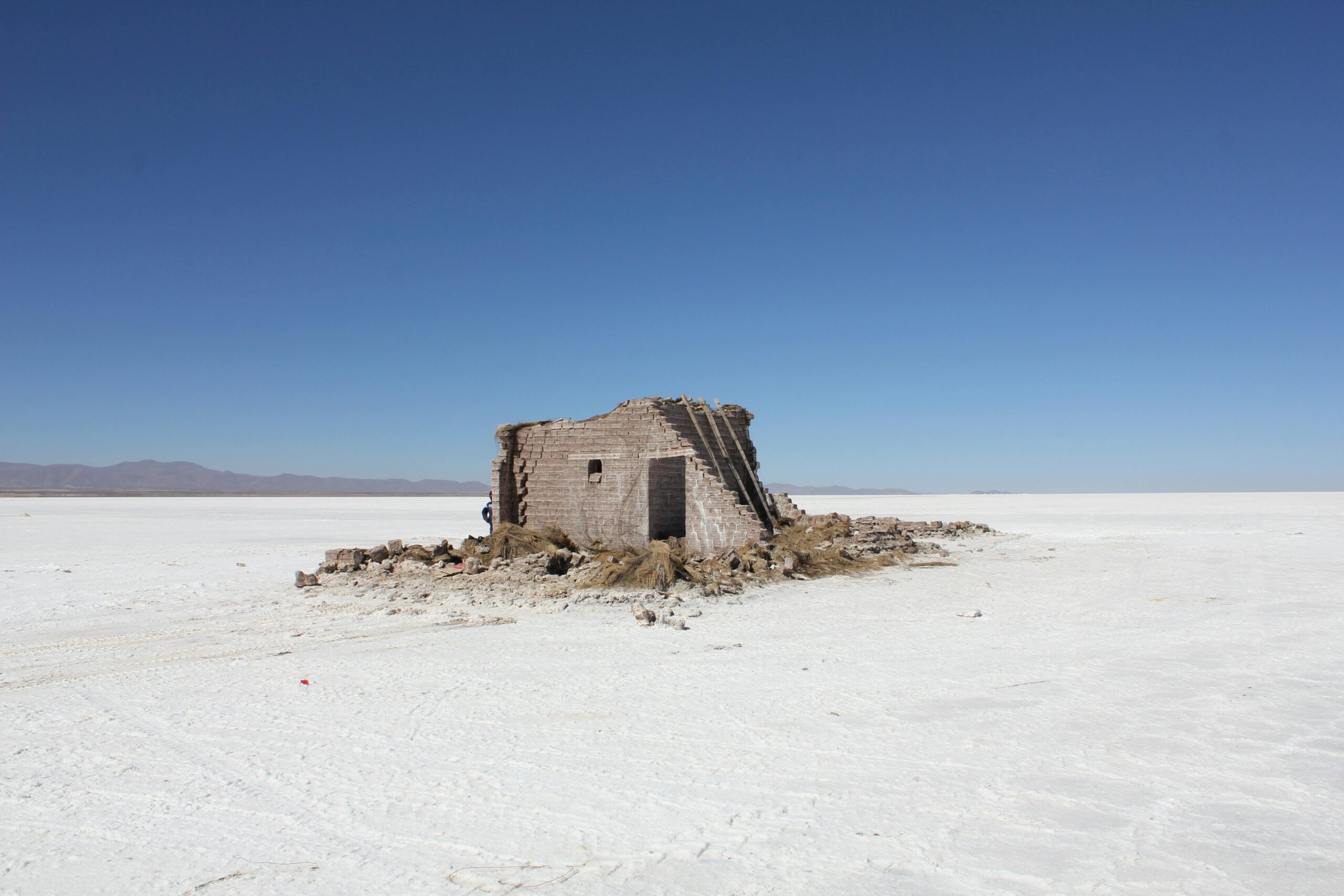
Preserving collections in museums, archives, libraries, and private spaces demands strategic control of environmental conditions, particularly humidity levels that can make or break conservation efforts.

🎯 Understanding the Critical Role of Humidity in Collection Preservation
Humidity represents one of the most significant environmental factors affecting the longevity of cultural heritage materials. Whether you’re managing rare manuscripts, historical photographs, textiles, or contemporary art pieces, understanding how moisture interacts with different materials forms the foundation of successful preservation strategies.
Organic materials like paper, wood, leather, and textiles are particularly susceptible to humidity fluctuations. These materials absorb and release moisture in response to environmental changes, leading to dimensional shifts, chemical degradation, and biological growth. Meanwhile, inorganic materials such as metals, glass, and certain minerals face their own humidity-related challenges, including corrosion and salt crystallization.
The concept of relative humidity (RH) describes the amount of water vapor present in air relative to the maximum amount the air could hold at that temperature. This percentage becomes the key metric for conservation professionals worldwide, with most institutions targeting specific ranges depending on their collection compositions.
📊 The Science Behind Humidity Buffering
Humidity buffering refers to materials’ natural capacity to absorb excess moisture during high humidity periods and release it when conditions become drier. This passive climate control mechanism has protected collections for centuries, long before mechanical HVAC systems existed.
Hygroscopic materials—those that naturally attract and hold water molecules—serve as the primary agents in humidity buffering strategies. These materials include wood, paper, certain fabrics, and specialized conservation products designed specifically for this purpose.
The effectiveness of humidity buffering depends on several interconnected factors:
- The mass and surface area of buffering materials relative to airspace volume
- The rate of air exchange within the storage environment
- The magnitude and frequency of external humidity fluctuations
- Temperature variations that affect both RH and material responsiveness
- The inherent buffering capacity of different materials
Material-Specific Buffering Capacities
Different materials offer varying degrees of humidity buffering effectiveness. Unfinished wood products provide excellent natural buffering, particularly when used in display cases or storage furniture. Paper and cardboard also contribute significantly, making archival boxes themselves part of the buffering strategy.
Specialized conservation materials like silica gel have been engineered to maximize buffering capacity. These synthetic options offer predictable performance and can be conditioned to specific RH setpoints, making them invaluable in precision applications.
💡 Designing Effective Mixed Collection Storage Strategies
Mixed collections present unique challenges because different material types often require different ideal humidity ranges. Paper materials typically thrive at 30-50% RH, while metals prefer drier conditions below 30% RH to prevent corrosion. Photographic materials, textiles, and paintings each have their own optimal ranges, creating a complex puzzle for collection managers.
The key to managing mixed collections lies in identifying compromise conditions that minimize risk across all material types while implementing micro-environment controls for particularly sensitive items.
Establishing Baseline Environmental Parameters
Before implementing any buffering strategy, comprehensive environmental monitoring provides essential data. Temperature and humidity dataloggers should record conditions over extended periods—ideally an entire year—to understand seasonal variations, identify problem areas, and establish realistic targets.
This baseline data reveals patterns that inform decision-making: Are fluctuations daily, weekly, or seasonal? What are the extremes? How quickly do conditions change? These answers shape appropriate responses.
🛠️ Practical Implementation Techniques for Humidity Control
Implementing effective humidity buffering requires a layered approach combining passive and active strategies tailored to specific circumstances and budget constraints.
Passive Buffering Solutions
Passive approaches leverage natural materials and design principles to moderate humidity without mechanical systems. These solutions offer sustainability advantages, lower operating costs, and continued protection during power failures.
Storage furniture selection plays a crucial role. Powder-coated steel cabinets offer no buffering capacity but provide excellent protection from external fluctuations. Conversely, wooden cabinets and archival boxes actively participate in humidity regulation while protecting contents from light and pollutants.
Creating enclosed micro-environments within larger spaces amplifies buffering effectiveness. Display cases, storage boxes, and sealed enclosures reduce air volume relative to buffering materials, enhancing stability. The tighter the enclosure, the more effective buffering becomes, though ventilation requirements must balance this consideration.
Active Buffering with Conditioned Silica Gel
Silica gel has revolutionized precision humidity control in conservation. Unlike indicating silica gel found in consumer packaging, conservation-grade products can be conditioned to maintain specific RH levels through careful preparation.
Conditioning silica gel involves exposing it to controlled humidity environments until it reaches equilibrium at the desired RH. Once conditioned, the gel maintains that setpoint within enclosed spaces by absorbing or releasing moisture as conditions demand.
The ratio of silica gel to airspace determines effectiveness. Conservation standards typically recommend 0.5 to 1 kilogram of conditioned gel per cubic meter of airspace for effective buffering, though this varies based on sealing quality and external conditions.
📈 Monitoring and Adjusting Your Humidity Strategy
Implementation represents only the beginning of successful humidity buffering. Ongoing monitoring ensures strategies perform as intended and allows for refinement based on real-world results.
Selecting Appropriate Monitoring Equipment
Modern conservation benefits from diverse monitoring technologies at various price points. Simple dial hygrometers offer basic readings but lack accuracy and data recording capabilities. Digital thermo-hygrometers provide improved accuracy and often include min/max recording features.
Dataloggers represent the gold standard for serious conservation work. These devices automatically record temperature and humidity at set intervals, creating detailed records that reveal patterns invisible in spot-check readings. Wireless models transmit data to central systems, enabling real-time monitoring across multiple locations.
Calibration remains essential regardless of equipment quality. Regular verification against certified reference instruments ensures data reliability and prevents decision-making based on faulty information.
Interpreting Environmental Data
Raw data requires interpretation within conservation contexts. Rather than fixating on specific RH numbers, preservation professionals increasingly focus on rates of change and cumulative exposure to harmful conditions.
The “±5% fluctuation” guideline common in conservation literature refers to short-term variations—changes occurring over hours or days. Gradual seasonal shifts between broader ranges often cause less damage than rapid fluctuations within tighter parameters.
🌡️ Temperature’s Interplay with Humidity Buffering
Temperature and relative humidity exist in inseparable relationship. As temperature rises, air’s capacity to hold moisture increases, causing RH to drop even if absolute moisture content remains constant. This inverse relationship means temperature control directly impacts humidity stability.
Temperature fluctuations thus create humidity challenges even in perfectly sealed environments. A display case experiencing temperature swings from sunlight exposure will see corresponding RH variations that buffering materials must counteract.
Effective strategies address both parameters simultaneously. Locating storage away from external walls, windows, and HVAC vents minimizes temperature fluctuations. Insulated enclosures and thermal mass help moderate temperature changes, indirectly supporting humidity stability.
🔄 Seasonal Adjustments and Long-Term Planning
Annual climate cycles demand responsive management approaches. Winter heating typically creates dry indoor conditions, while summer often brings elevated humidity levels. Geographic location dramatically influences these patterns and appropriate responses.
Developing Seasonal Protocols
Documentation of seasonal patterns enables proactive adjustments before problems develop. If monitoring reveals consistent winter desiccation, increasing humidification or adding buffering materials in autumn prepares spaces for coming challenges.
Conditioning or reconditioning buffering materials between seasons optimizes performance. Silica gel conditioned to 50% RH in summer might require adjustment to 45% RH for winter conditions depending on building characteristics and collection needs.
Budget-Conscious Approaches for Limited Resources
Not every institution commands extensive conservation budgets, yet effective humidity management remains possible through prioritization and creative problem-solving.
Focusing resources on most vulnerable or valuable items delivers maximum impact. Creating stable micro-environments for priority objects within less-controlled larger spaces provides protection where it matters most.
DIY solutions using readily available materials can supplement commercial products. Sealed containers with conditioned buffering materials, careful storage location selection, and strategic use of archival boxes all contribute to improved conditions at modest cost.
🧪 Addressing Specific Material Challenges
While general principles apply broadly, certain material types require specialized consideration within mixed collection contexts.
Photographic Materials
Photographs encompass diverse materials including paper, film bases, binders, and image-forming substances, each responding differently to humidity. Color photographs show particular sensitivity, with high humidity accelerating dye fading and low humidity causing brittleness.
Most photographic materials benefit from 30-40% RH with minimal fluctuation. Cold storage dramatically extends color photograph longevity, though requires careful acclimatization protocols before access to prevent condensation damage.
Textiles and Costumes
Fabric collections face dual challenges: fibers require adequate moisture to maintain flexibility, yet excess humidity promotes mold growth and accelerates deterioration. Protein fibers like silk and wool show greater humidity sensitivity than cellulosic materials like cotton and linen.
Maintaining 50-55% RH satisfies most textile preservation needs while discouraging biological activity. Supporting textiles properly during storage and display prevents stress concentrations that humidity fluctuations might exacerbate.
Metal Objects
Archaeological metals, particularly iron and copper alloys, require significantly drier conditions than organic materials. Active corrosion processes affecting excavated metals only cease below critical RH thresholds—often 30% RH or lower.
This requirement creates genuine conflicts within mixed collections. Solutions include isolating metal objects in separate storage with dedicated humidity control or creating ultra-dry micro-environments using desiccated silica gel while maintaining moderate conditions in surrounding spaces.
🌍 Sustainability Considerations in Modern Conservation
Contemporary conservation increasingly weighs environmental impact alongside preservation effectiveness. Energy consumption for tight climate control carries significant carbon costs, prompting re-evaluation of traditional approaches.
Expanded acceptable ranges—sometimes called “floating” or “seasonal” setpoints—reduce energy demand while evidence suggests many materials tolerate broader parameters than previously thought when changes occur gradually.
Passive strategies align naturally with sustainability goals. Maximizing natural buffering capacity, improving building envelopes, and implementing intelligent control systems that minimize mechanical intervention all reduce environmental footprints while maintaining collection safety.
✨ Future-Proofing Your Collection Management
Climate change introduces growing uncertainty into long-term preservation planning. Extreme weather events, shifting seasonal patterns, and gradually changing baseline conditions challenge established protocols.
Building resilience into humidity management strategies prepares collections for uncertain futures. Robust monitoring systems detect emerging problems early. Flexible approaches allow adjustment as conditions evolve. Documentation of decisions, observations, and outcomes creates institutional knowledge surviving staff transitions.
Investing in staff training ensures technical knowledge accompanies physical infrastructure. Understanding principles behind practices enables appropriate responses to novel situations rather than rigid adherence to potentially outdated protocols.

🎓 Mastering the Art and Science of Humidity Management
Effective humidity buffering for mixed collections represents both technical science and practical art. Success requires understanding material science fundamentals, implementing appropriate strategies, maintaining vigilant monitoring, and adapting approaches based on observed results.
No single solution fits every situation. Building characteristics, climate zones, collection compositions, available resources, and institutional priorities all shape optimal approaches. The most successful strategies combine multiple techniques in coordinated systems addressing specific circumstances.
Starting small, monitoring carefully, and expanding gradually builds confidence and competence. Even modest improvements in humidity stability deliver meaningful preservation benefits. Perfect control remains impossible and unnecessary—the goal is good-enough conditions that minimize deterioration while remaining practically achievable.
The investment in proper humidity management pays dividends measured in decades and centuries. Collections protected today remain available for future generations, fulfilling the fundamental promise of preservation: ensuring cultural heritage endures beyond our individual lifespans.
Whether managing institutional collections or private treasures, mastering humidity buffering strategies empowers better stewardship of irreplaceable materials. Knowledge transforms abstract concerns into actionable plans, uncertainty into confidence, and vulnerability into resilience.