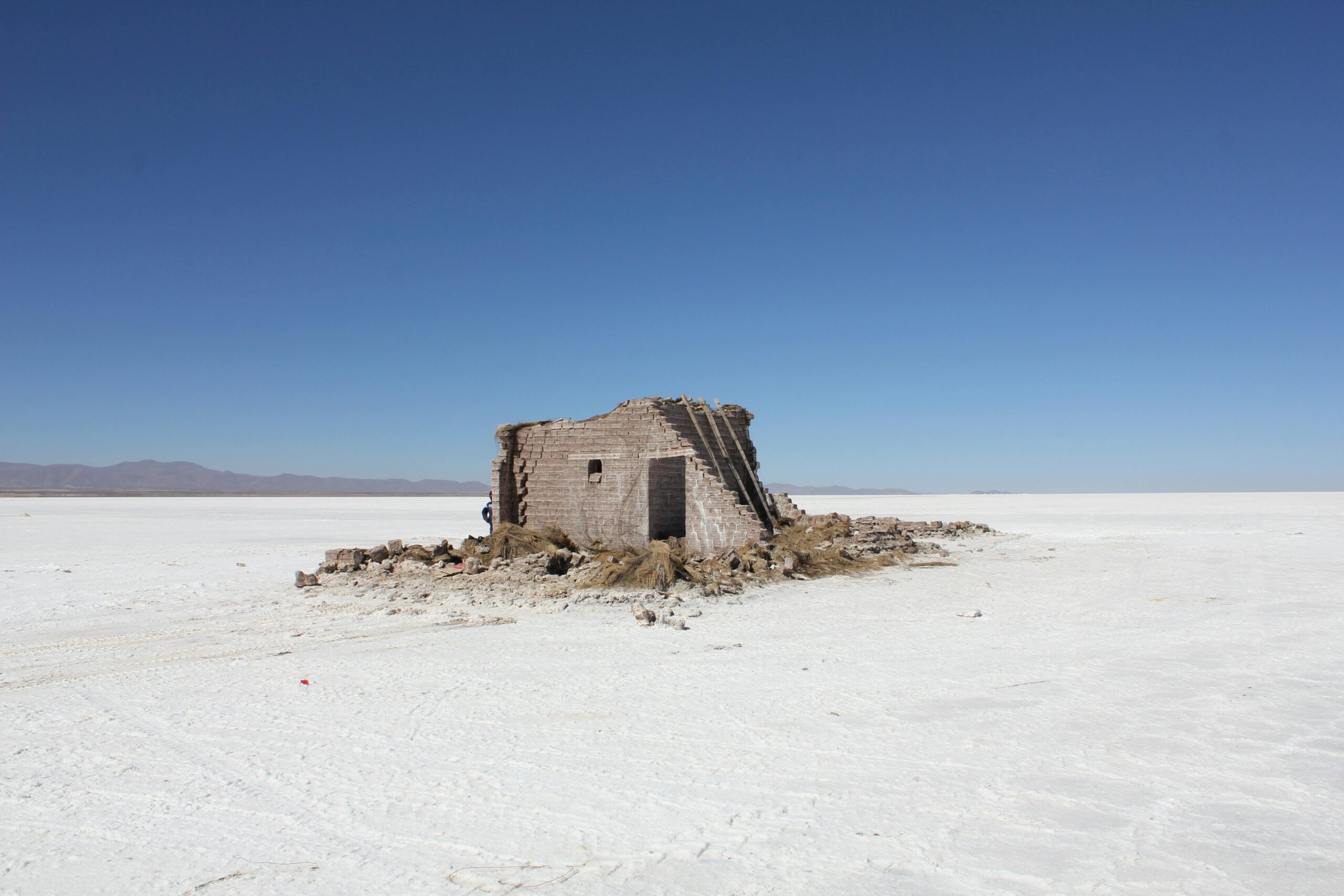
Salt build-up in porous materials is a silent destroyer that affects everything from historic buildings to modern homes, causing unsightly stains, structural damage, and costly repairs.

🧂 Understanding the Science Behind Salt Accumulation
Salt crystallization in porous materials occurs through a natural but destructive process called efflorescence. When water containing dissolved salts penetrates porous surfaces like brick, concrete, stone, or plaster, it migrates through the material’s capillary system. As the water evaporates at the surface or within the material itself, it leaves behind salt crystals that gradually accumulate over time.
These salts can originate from various sources including groundwater, sea spray, de-icing chemicals, construction materials, or even cleaning products. The most common culprits include sodium chloride (table salt), calcium sulfate (gypsum), sodium sulfate, and potassium nitrate. Each type behaves differently within porous structures, but all share the capacity to cause significant deterioration.
The damage mechanism is particularly insidious because salt crystals can grow within the pore structure itself, creating internal pressures that exceed the tensile strength of many building materials. This process, known as crypto-efflorescence or subflorescence, is far more destructive than surface deposits because it causes the material to crumble from within.
🏛️ Identifying Vulnerable Materials and Structures
Not all porous materials are equally susceptible to salt damage, but understanding which ones are at highest risk helps prioritize prevention efforts. Natural stone varieties like sandstone, limestone, and marble are particularly vulnerable due to their high porosity and interconnected pore networks. Historic buildings constructed with these materials often show the most dramatic evidence of salt-related deterioration.
Brick and terracotta also rank among highly susceptible materials. The firing process creates numerous pores that readily absorb moisture and dissolved salts. Older bricks, especially those manufactured before modern quality controls, tend to be more porous and therefore more vulnerable to salt attack.
Concrete and cement-based materials, despite their apparent durability, are surprisingly susceptible. The alkaline nature of cement can react with certain salts, accelerating deterioration. Reinforced concrete faces additional risks when salts penetrate to the depth of steel reinforcement, causing corrosion that leads to spalling and structural compromise.
Plaster and render surfaces provide less resistance to salt migration due to their relatively thin application and high surface area. These materials often show the first visible signs of salt problems through powdering, blistering, or detachment from substrate materials.
💧 The Critical Role of Moisture Management
Moisture is the vehicle that transports salts into and through porous materials, making water control the cornerstone of any prevention strategy. Without moisture, salts remain dormant and harmless. Effective moisture management requires a comprehensive approach addressing all potential water sources.
Rising damp represents one of the most persistent moisture problems. Groundwater moves upward through porous materials by capillary action, carrying dissolved salts from soil and foundations. Installing or repairing damp-proof courses (DPC) provides a physical barrier that interrupts this capillary rise. Modern chemical DPC injections offer solutions for existing structures where physical barriers are impractical.
Rainwater penetration through walls, roofs, or around windows introduces both moisture and airborne salts. Regular maintenance of building exteriors, including repointing mortar joints, repairing cracks, and ensuring proper drainage, significantly reduces water infiltration. Gutters and downspouts deserve particular attention, as their failure directs large volumes of water against vulnerable wall surfaces.
Condensation, often overlooked, can provide sufficient moisture to mobilize salts already present in materials. Improving ventilation, controlling indoor humidity levels, and ensuring adequate insulation helps minimize condensation on cold surfaces. In historic buildings where modern interventions must be carefully considered, simply increasing air circulation can make a substantial difference.
🛡️ Protective Barriers and Surface Treatments
Creating physical and chemical barriers between salt sources and porous materials forms an essential defense layer. Modern technology offers numerous products designed to repel water while allowing materials to breathe, maintaining the delicate balance necessary for building health.
Silane and siloxane-based water repellents penetrate the surface to create a hydrophobic zone that prevents liquid water entry while permitting water vapor transmission. These treatments are particularly effective for brick and stone, offering protection that lasts several years before reapplication becomes necessary. Application timing matters significantly; surfaces must be clean, dry, and salt-free for optimal penetration and bonding.
Consolidants strengthen deteriorated surfaces by binding loose particles together, reducing porosity without completely sealing the material. Ethyl silicate products work particularly well on stone, creating strong silica bonds that restore cohesion to friable surfaces. However, consolidation should only follow salt removal, as trapping salts beneath a consolidated layer accelerates internal damage.
Sacrificial render systems provide an innovative approach for walls suffering from persistent salt problems. These specially formulated plasters are designed to absorb migrating salts, protecting the underlying masonry. When the render becomes salt-saturated, it can be removed and replaced, taking the accumulated salts with it. While requiring periodic renewal, this approach preserves the integrity of irreplaceable historic fabric.
🧹 Professional Salt Removal Techniques
When prevention fails and salt accumulation occurs, removal becomes necessary to halt ongoing damage. The challenge lies in extracting salts without causing additional harm to already compromised materials. Different situations demand different approaches, and professional assessment often proves invaluable.
Poulticing represents the gentlest removal method for surface and near-surface salts. Absorbent materials like sepiolite, cellulose, or kaolin clay are mixed with water to create a paste applied to affected surfaces. As the poultice dries, it draws moisture and dissolved salts from the material through osmotic and capillary action. Multiple applications may be necessary for heavily contaminated surfaces, with each cycle removing additional salt.
Desalination through controlled washing requires expertise to avoid driving salts deeper into the material or spreading contamination to previously unaffected areas. Low-pressure water application, sometimes enhanced with clay poultices, gradually leaches salts from porous materials. This process can take weeks or months for deeply penetrated masonry, requiring patience and careful monitoring of salt concentrations in rinse water.
Electro-osmotic desalination offers a high-tech solution for stubborn salt problems. By applying a low-voltage electrical field across the contaminated material, ionic salts are driven toward electrodes where they can be collected. This technique shows particular promise for thick walls and situations where traditional methods have proven ineffective, though it requires specialized equipment and expertise.
🏗️ Construction and Renovation Best Practices
Prevention begins at the design and construction phase, where thoughtful material selection and detailing can eliminate future salt problems. New construction and renovation projects offer ideal opportunities to implement protective strategies that would be difficult or impossible to retrofit later.
Material compatibility deserves careful consideration, as mixing incompatible materials can create pathways for salt migration and moisture movement. Using lime-based mortars with historic brick or stone, rather than harder cement mortars, allows the mortar joints to act as preferential pathways for salt accumulation and evaporation, protecting the more valuable masonry units.
Physical barriers installed during construction provide long-term protection against rising damp and salt migration. Modern damp-proof membranes, when properly installed with attention to overlaps and penetrations, create effective moisture barriers. In salt-affected environments, combining physical barriers with capillary-break layers of gravel or open-textured materials provides enhanced protection.
Drainage systems must be designed to keep water away from foundations and walls. Proper site grading that slopes away from buildings, perimeter drains that intercept groundwater before it reaches foundations, and adequate surface drainage all contribute to reduced moisture exposure. In coastal or de-icing chemical environments, these drainage systems also help flush away salt-laden water before it can penetrate building materials.
🌊 Special Considerations for Coastal Environments
Coastal properties face unique challenges from airborne salt spray that can travel surprisingly far inland. Sea salt is particularly aggressive due to its hygroscopic nature, meaning it absorbs moisture from air even on apparently dry days, creating repeated cycles of solution and crystallization that accelerate deterioration.
Building orientation and landscaping can significantly influence salt exposure. Structures positioned to minimize direct exposure to prevailing winds experience less salt deposition. Strategic landscaping with salt-tolerant plants creates windbreaks that filter airborne salt before it reaches building surfaces, though plants themselves require consideration for their salt tolerance and maintenance requirements.
Regular washing of exterior surfaces removes salt deposits before they can penetrate deeply into porous materials. In severe coastal environments, monthly or even bi-weekly gentle washing with fresh water can dramatically reduce salt accumulation. This preventive maintenance proves far more cost-effective than addressing deep salt contamination and structural damage later.
Material selection for coastal construction should favor low-porosity options or materials proven to resist salt attack. Dense granite, properly sealed concrete, and modern composite materials often outperform traditional porous materials in high-salt environments. When traditional materials must be used for aesthetic or historic reasons, enhanced protective treatments and more frequent maintenance become necessary investments.
❄️ Winter Salt Damage Prevention Strategies
De-icing salts applied to roads, sidewalks, and driveways represent a major source of salt damage in cold climates. The concentrated salt solutions created when these chemicals dissolve in snowmelt are far more aggressive than naturally occurring groundwater salts, capable of causing rapid and severe deterioration.
Alternative de-icing products can significantly reduce salt exposure. Calcium magnesium acetate (CMA) and other organic alternatives provide ice-melting capability with less damage to porous materials and surrounding vegetation. While often more expensive than rock salt, their reduced damage potential offers long-term cost savings for protecting valuable surfaces.
Physical snow removal before applying any de-icing products reduces the amount of chemicals needed and minimizes their contact time with surfaces. Prompt removal of slush and melt-water prevents extended exposure periods during which salts can penetrate deeply into porous materials.
Protective sealers applied before winter provide a sacrificial barrier against salt penetration. Annual autumn application of appropriate water repellents to concrete driveways, brick steps, and stone walkways creates a renewable protective layer that can be refreshed each year before the de-icing season begins.
📊 Monitoring and Maintenance Programs
Systematic monitoring enables early detection of salt problems before they cause significant damage. Regular inspections following a documented protocol ensure consistent coverage and create valuable baseline data for tracking changes over time.
| Inspection Frequency | Activities | Focus Areas |
|---|---|---|
| Monthly | Visual inspection, moisture checks | Previously affected areas, drainage systems |
| Quarterly | Detailed photography, minor repairs | Base of walls, mortar joints, surface conditions |
| Annually | Professional assessment, salt testing | Comprehensive building survey, hidden areas |
| As Needed | Post-storm inspection, remedial action | Storm-damaged areas, new staining or deterioration |
Documentation through photographs, written observations, and laboratory testing creates an invaluable record of conditions and interventions. Digital tools and apps can streamline this process, making it easier to track multiple properties or large buildings with numerous vulnerable areas.
Moisture meters provide objective data about water content in walls and other structural elements. Regular readings at consistent locations reveal trends that might indicate developing problems before visual symptoms appear. Elevated moisture levels warrant investigation to identify and address the source before salt mobilization begins.
🔬 Advanced Diagnostic Tools and Technologies
Modern diagnostic technologies enable precise identification of salt types, concentrations, and distribution patterns within affected materials. This information guides targeted treatment strategies rather than generic approaches that may prove ineffective or even counterproductive.
Salt analysis through laboratory testing of material samples identifies specific salt species present and their concentrations. This information is crucial because different salts require different removal approaches and pose varying levels of threat to different materials. Ion chromatography provides detailed compositional analysis that reveals contamination sources and helps predict future behavior.
Non-destructive testing methods allow assessment without damaging valuable materials. Ground-penetrating radar maps internal moisture and salt distribution patterns. Infrared thermography reveals areas of elevated moisture content through temperature differentials. These technologies prove particularly valuable for historic buildings where invasive sampling must be minimized.
Portable X-ray fluorescence (XRF) analyzers enable on-site elemental analysis without sampling. While not providing the detailed speciation of laboratory analysis, XRF quickly identifies the presence and relative abundance of salt-forming elements across large areas, helping prioritize more detailed investigation and treatment.
🌿 Sustainable and Environmentally Conscious Approaches
Environmental considerations increasingly influence salt management strategies, with growing awareness that treatments protecting buildings should not harm surrounding ecosystems. Sustainable approaches balance effective protection with minimal environmental impact.
Bio-based consolidants and water repellents derived from renewable resources offer alternatives to petroleum-based products. While performance characteristics may differ from conventional treatments, ongoing research continues improving these products’ effectiveness and durability.
Salt harvesting from desalination processes can be disposed of responsibly rather than flushed into drainage systems. In coastal areas, collected salts may be returned to marine environments where they belong. In other situations, crystallized salts can be disposed of as solid waste rather than dissolved salts entering water treatment systems.
Vegetation-based moisture management through strategic landscaping provides natural dehumidification around buildings. Deep-rooted plants draw groundwater down and away from foundations while their transpiration increases local air circulation. This approach requires careful plant selection to avoid species whose roots might damage foundations or whose water demands exceed local precipitation.
💰 Cost-Benefit Analysis of Prevention Versus Remediation
The financial argument for preventing salt build-up rather than remediating damage later is compelling. Prevention costs are typically measured in hundreds or low thousands of dollars, while remediation of significant salt damage often reaches tens or hundreds of thousands, particularly for large or historic structures.
Preventive measures like annual water repellent application might cost $2-5 per square foot, requiring renewal every 3-5 years. In contrast, addressing advanced salt damage including material replacement, structural stabilization, and comprehensive desalination can easily exceed $100 per square foot, with additional costs for temporary relocation or business interruption.
Insurance considerations increasingly factor into these calculations. Some insurers offer reduced premiums for properties with documented maintenance programs that address salt and moisture issues. Conversely, properties with histories of salt-related damage may face higher premiums or coverage exclusions for future salt damage.
Property values also reflect salt management success or failure. Buildings showing visible salt damage or having documented salt problems typically sell at significant discounts, while properties with demonstrated effective protection and maintenance command premium prices, particularly in salt-affected locations.
🎯 Creating Your Personalized Protection Plan
Effective salt prevention requires a tailored approach based on specific site conditions, material types, and exposure factors. A personalized protection plan begins with thorough assessment of your property’s unique vulnerabilities and proceeds through systematic implementation of appropriate protective measures.
- Conduct a comprehensive property assessment identifying all areas where moisture can enter and salt sources exist
- Prioritize interventions based on severity of risk and value of materials at stake
- Implement immediate measures to stop active water intrusion and protect most vulnerable areas
- Develop a schedule for medium-term improvements like repointing, drainage enhancement, and protective treatments
- Establish long-term maintenance protocols including regular inspections and preventive treatments
- Document all conditions, interventions, and results to build institutional knowledge
- Budget realistically for ongoing maintenance and periodic renewal of protective treatments
- Establish relationships with qualified professionals for specialized work beyond DIY capabilities
Regular plan review and adjustment ensures continued effectiveness as buildings age, materials weather, and environmental conditions change. What works initially may require modification as circumstances evolve, making flexibility and ongoing attention essential components of long-term success.

🏆 Success Stories and Lessons Learned
Real-world examples demonstrate that persistent salt problems can be solved through comprehensive, properly executed prevention strategies. A 19th-century brick warehouse in a coastal city suffered severe salt damage over decades before owners implemented a multi-faceted approach including improved drainage, annual desalination treatments, and breathable protective coatings. Five years later, the building shows stable conditions with no new deterioration, validating the investment in preventive measures.
A modern concrete parking structure in a northern climate faced rapid degradation from de-icing salts until managers switched to alternative de-icing products and implemented aggressive spring washing protocols. Combined with penetrating sealers applied annually, these changes extended the structure’s projected service life by decades while reducing annual repair costs by 60%.
An historic limestone church demonstrated that even severely compromised materials can be stabilized when appropriate techniques are carefully applied. Following comprehensive desalination using clay poulticing and controlled washing over 18 months, consolidation of friable surfaces, and installation of improved rainwater management systems, the building has remained stable for over a decade with only routine maintenance.
These successes share common elements: thorough initial assessment, comprehensive rather than piecemeal approaches, proper execution by qualified practitioners, and ongoing maintenance following intervention. They demonstrate that salt problems, while serious, are not insurmountable when addressed systematically and persistently.
The battle against salt build-up in porous materials is won through knowledge, vigilance, and consistent application of proven prevention strategies. By understanding the mechanisms of salt damage, implementing appropriate protective measures, maintaining effective moisture control, and establishing systematic monitoring protocols, property owners can protect their investments from this pervasive threat. Whether safeguarding a historic monument, preserving a family home, or maintaining a commercial property, the principles remain constant: keep water out, manage moisture effectively, and address problems promptly before they escalate. The reward for this diligence is structures that remain sound, beautiful, and functional for generations to come, fulfilling their intended purpose without the costly deterioration that unchecked salt accumulation inevitably brings. 🏠