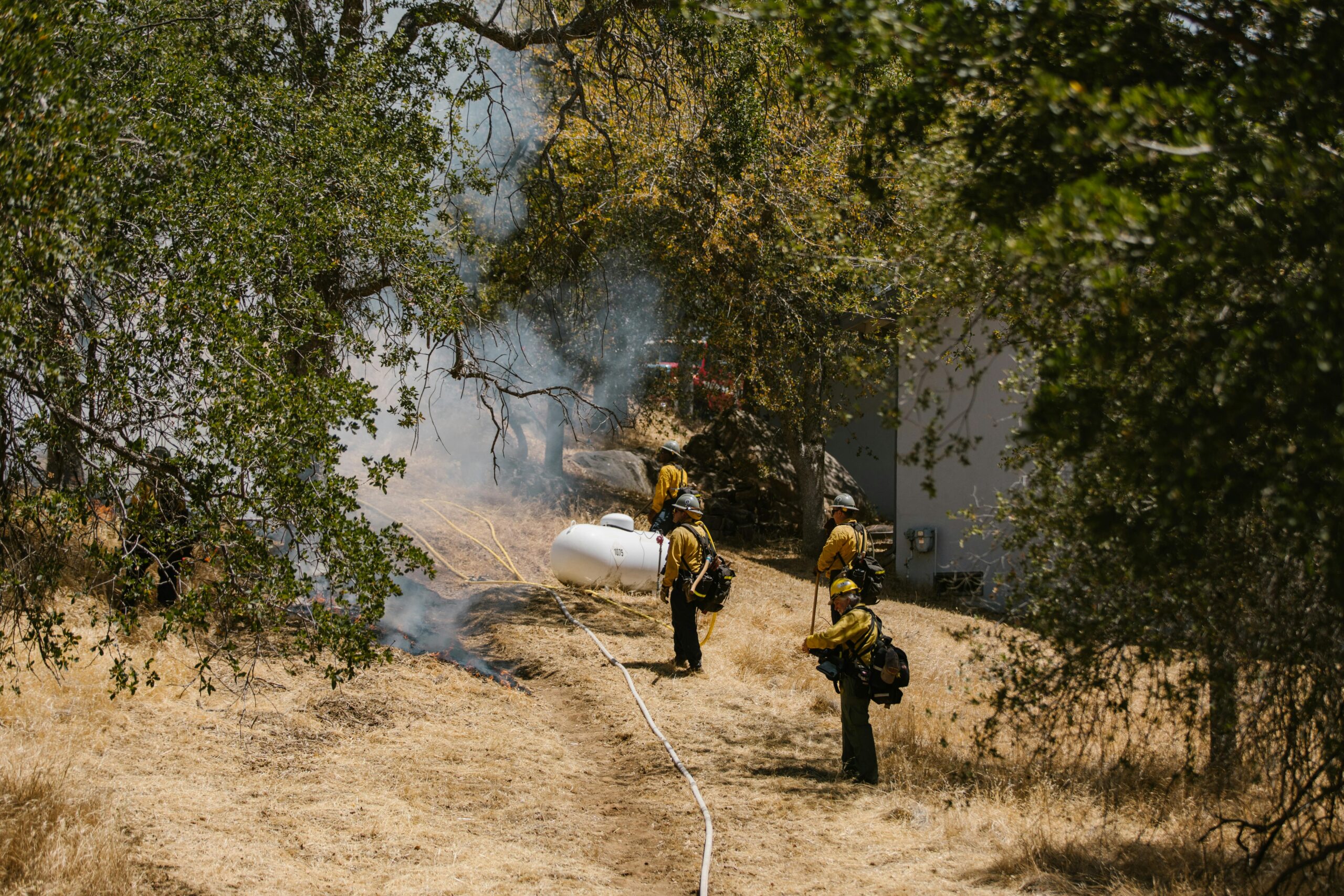
Historic buildings stand as timeless testimonies to architectural heritage, requiring specialized attention and strategic assessment to ensure their longevity for future generations.

🏛️ Understanding the Critical Role of Building Envelope Assessment
The building envelope represents the physical separator between the conditioned interior environment and the unconditioned exterior environment of a structure. For historic buildings, this envelope isn’t merely functional—it embodies craftsmanship, original materials, and construction techniques that define architectural significance. Thorough evaluation of these protective barriers becomes paramount when preservation is the primary objective.
Historic structures face unique challenges that modern buildings rarely encounter. Original materials deteriorate over time, construction methods may not align with contemporary standards, and previous restoration efforts might have inadvertently compromised structural integrity. A comprehensive building envelope assessment identifies these vulnerabilities before they escalate into irreversible damage.
The envelope encompasses all components that enclose conditioned space: roofing systems, exterior walls, foundations, windows, doors, and any other elements separating interior from exterior. Each component requires specialized evaluation techniques that respect the building’s historical character while addressing modern performance expectations.
Why Traditional Assessment Methods Fall Short for Heritage Structures
Standard building inspection protocols designed for contemporary construction often prove inadequate for historic properties. Modern buildings typically utilize standardized materials with predictable performance characteristics and documented lifespans. Historic structures, conversely, feature handcrafted components, region-specific materials, and construction techniques that varied significantly by era and location.
Traditional moisture meters, thermal imaging cameras, and structural analysis tools provide valuable data, but interpreting results requires specialized knowledge of historic materials. A moisture reading that indicates acceptable levels in modern construction might signal serious deterioration in lime-based mortars or earth-based plasters common in older buildings.
Furthermore, invasive testing methods that work well on contemporary structures can cause irreparable harm to historic fabric. Drilling core samples through original masonry or removing significant material for laboratory analysis may provide technical information but sacrifices authenticity—the very quality preservation seeks to maintain.
🔍 Essential Components of a Comprehensive Envelope Evaluation
An effective building envelope assessment for historic properties integrates multiple evaluation methodologies, balancing non-invasive observation with targeted investigative techniques. The process begins with extensive archival research and visual documentation before progressing to technical analysis.
Archival Research and Historical Context
Understanding a building’s construction history provides invaluable context for envelope assessment. Original architectural drawings, construction photographs, maintenance records, and previous restoration documentation reveal intended material selections, structural systems, and design considerations that inform current evaluation.
Historical climate data, regional construction traditions, and period-specific building codes help assessors understand performance expectations appropriate to the structure’s era. A building constructed in 1850 operated under fundamentally different environmental conditions and usage patterns than today, making historical context essential for accurate assessment.
Systematic Visual Inspection Protocols
Detailed visual examination remains the foundation of envelope assessment. Experienced preservation professionals conduct systematic surveys that document existing conditions through photography, written descriptions, and condition mapping. This process identifies visible deterioration patterns, material failures, biological growth, structural movement, and evidence of moisture intrusion.
Visual inspection extends beyond obvious deficiencies to subtle indicators: slight color variations suggesting hidden moisture, hairline cracks indicating structural stress, efflorescence patterns revealing salt migration, or vegetation growth signaling drainage problems. These observations guide subsequent technical investigations.
Advanced Diagnostic Technologies
Contemporary assessment tools, when applied appropriately, provide quantitative data that supplements visual observation. Thermal imaging identifies temperature differentials indicating air leakage, missing insulation, or moisture accumulation. Infrared thermography proves particularly valuable for detecting problems hidden behind finishes without physical intervention.
Moisture mapping using non-invasive sensors tracks water content throughout envelope assemblies, identifying active leaks and areas of chronic dampness. Blower door testing quantifies air infiltration rates, though interpretation must account for historic buildings’ inherently different performance standards compared to modern construction.
Ground-penetrating radar and ultrasonic testing reveal subsurface conditions, structural voids, and material composition without destructive investigation. These technologies prove especially valuable for assessing foundations, hidden structural members, and wall cavity conditions.
⚠️ Common Envelope Vulnerabilities in Historic Structures
Certain envelope failures appear repeatedly across historic building types, reflecting common construction vulnerabilities and the cumulative effects of time, weather, and previous interventions. Recognizing these typical problems enables more efficient assessment and targeted remediation strategies.
Roofing System Deterioration
Historic roofing materials—slate, clay tile, wood shingles, metal panels—possess remarkable longevity when properly maintained but become significant liabilities when neglected. Failed flashing details, deteriorated underlayment, inadequate ventilation, and incompatible repair materials accelerate deterioration.
Roof structures themselves often show signs of stress: sagging rafters, failed connections, insect damage, or rot in structural members. Water infiltration through compromised roofing systems causes cascading damage throughout the building envelope, making roof assessment a priority in any evaluation.
Masonry and Mortar Degradation
Historic masonry buildings face distinctive challenges related to mortar composition, brick quality, and water management. Original lime-based mortars, softer than historic bricks, intentionally sacrificed themselves to protect masonry units—a principle often violated by inappropriate repointing with hard Portland cement mortars.
Moisture-related deterioration manifests through spalling (surface delamination), subflorescence (subsurface salt crystallization), and freeze-thaw damage. Rising damp from inadequate foundation moisture barriers, condensation from temperature differentials, and direct water penetration through failed joints all contribute to masonry envelope failures.
Window and Door Assembly Failures
Historic fenestration represents both functional necessity and significant character-defining features. Original windows, often condemned as “inefficient,” frequently perform better than assumed when properly maintained. Assessment must evaluate structural condition, operational functionality, glazing integrity, and weatherstripping effectiveness.
Common problems include rotted sills, failed glazing compounds, broken sash cords, deteriorated frames, and inadequate weathersealing. These deficiencies compromise thermal performance and moisture resistance while threatening the survival of architecturally significant components.
🛠️ Developing Targeted Preservation Strategies
Comprehensive envelope assessment serves as foundation for developing appropriate preservation interventions. The collected data informs prioritization of repairs, selection of compatible materials, and implementation of treatments that respect historic character while improving performance.
Prioritization Based on Risk Assessment
Not all envelope deficiencies demand immediate intervention. Effective preservation strategy balances urgency, available resources, and potential consequences. Life-safety issues, active structural failures, and rapidly advancing deterioration require immediate attention, while stable conditions with minimal progression may permit deferred treatment.
Risk matrices help stakeholders visualize relative priorities by plotting probability of failure against potential consequences. This approach enables informed decision-making about resource allocation and intervention timing, ensuring critical issues receive appropriate attention before conditions worsen.
Material Compatibility and Historic Authenticity
Preservation interventions must employ materials compatible with existing historic fabric in physical properties, chemical composition, and aesthetic characteristics. Modern materials offering superior performance often prove incompatible with historic assemblies, creating interface problems that accelerate deterioration.
Lime mortars, natural stone, traditional wood species, and period-appropriate metals should replace failed historic materials when feasible. Where original materials prove unavailable or unsuitable, carefully selected alternatives must demonstrate compatibility through physical testing and performance modeling.
Balancing Conservation with Building Performance
Contemporary expectations for thermal efficiency, moisture control, and indoor air quality sometimes conflict with preservation principles. Successful strategies find creative solutions that improve performance without compromising historic character or causing unintended damage to original materials.
Interior storm windows provide thermal improvement while preserving exterior appearance. Strategic air sealing targets significant leakage points without attempting unrealistic air-tightness standards inappropriate for historic construction. Ventilation improvements address moisture concerns while respecting original building systems designed for natural ventilation patterns.
📊 Documentation Standards for Preservation Projects
Thorough documentation throughout the assessment process creates permanent records valuable for current decision-making, future maintenance planning, and historical understanding. Comprehensive documentation also satisfies regulatory requirements for projects involving designated landmarks or seeking preservation tax incentives.
| Documentation Type | Primary Purpose | Key Elements |
|---|---|---|
| Photographic Survey | Visual condition record | Overall views, details, deficiencies, comparative images |
| Condition Assessment Reports | Technical analysis | Findings, testing results, deterioration patterns, recommendations |
| Material Analysis | Composition identification | Laboratory results, compatibility assessments, specifications |
| Measured Drawings | Dimensional documentation | Plans, elevations, sections, construction details |
Digital documentation technologies enable sophisticated condition tracking over time. Photogrammetry creates three-dimensional models from photographs, providing measurable records without physical contact. Building Information Modeling (BIM) adapted for historic structures integrates condition data with geometric information, facilitating maintenance planning and intervention design.
💡 Integrating Traditional Wisdom with Modern Science
The most effective building envelope assessments honor traditional construction wisdom while leveraging contemporary analytical capabilities. Historic builders possessed empirical knowledge about material behavior, climatic response, and structural performance gained through centuries of observation—insights often overlooked in modern practice.
Traditional building envelopes functioned as “breathing” assemblies, managing moisture through absorption, storage, and evaporation rather than attempting complete exclusion. Modern vapor barriers and sealed assemblies, when applied to historic construction, can trap moisture and accelerate deterioration. Understanding these fundamental differences prevents well-intentioned interventions from causing unintended harm.
Contemporary building science offers valuable tools for analyzing historic envelope performance: hygrothermal modeling predicts moisture behavior, structural analysis quantifies load paths, and energy modeling assesses thermal performance. These analytical methods prove most effective when parameters reflect historic material properties and recognize original design intentions.
🌍 Climate Change Considerations for Historic Envelopes
Evolving climate patterns introduce new stresses to building envelopes designed for historical weather conditions. Increased precipitation intensity, more frequent freeze-thaw cycles, higher temperatures, and shifting humidity patterns challenge envelope systems already stressed by age and previous deterioration.
Forward-looking envelope assessment considers projected climate scenarios alongside current conditions. Remediation strategies should enhance resilience against anticipated environmental stresses while maintaining flexibility for future adaptation. This approach acknowledges uncertainty while preparing buildings for changing conditions.
Enhanced drainage systems, improved flashing details, upgraded moisture management, and strategic material selection increase envelope robustness against intensified weather events. These improvements often align with good preservation practice, as they address fundamental building science principles applicable across climate scenarios.
🎯 Regulatory Frameworks and Professional Standards
Building envelope assessment for historic structures operates within complex regulatory environments encompassing preservation standards, building codes, accessibility requirements, and environmental regulations. Successful projects navigate these requirements while advancing preservation objectives.
The Secretary of the Interior’s Standards for the Treatment of Historic Properties provide fundamental guidance for work on designated resources. These standards emphasize minimal intervention, reversibility, material compatibility, and documentation—principles that align with thorough envelope assessment and targeted remediation.
Local landmark regulations, historic district guidelines, and state historic preservation office requirements establish specific parameters for envelope interventions. Early consultation with regulatory authorities ensures proposed treatments meet preservation standards while addressing identified deficiencies.
Professional qualification standards for practitioners conducting envelope assessments recognize the specialized expertise required for historic work. Architects specializing in historic preservation, conservation consultants, materials conservators, and structural engineers experienced with traditional construction bring essential knowledge to assessment teams.
Long-Term Stewardship Through Ongoing Monitoring
Building envelope assessment shouldn’t be viewed as a one-time event but rather as the foundation for continuous monitoring and proactive maintenance. Establishing baseline conditions through comprehensive initial evaluation enables tracking of changes over time, early detection of new problems, and informed decision-making about maintenance timing.
Cyclical maintenance programs based on assessment findings extend envelope component lifespan and prevent minor issues from developing into major failures. Regular inspections, routine cleaning, prompt repairs, and systematic record-keeping comprise effective stewardship that safeguards historic resources cost-effectively.
Building monitoring systems adapted for historic structures provide continuous data about environmental conditions, structural performance, and envelope behavior. Sensors tracking temperature, humidity, movement, and moisture content enable early intervention when parameters drift outside acceptable ranges, preventing damage before visible symptoms appear.
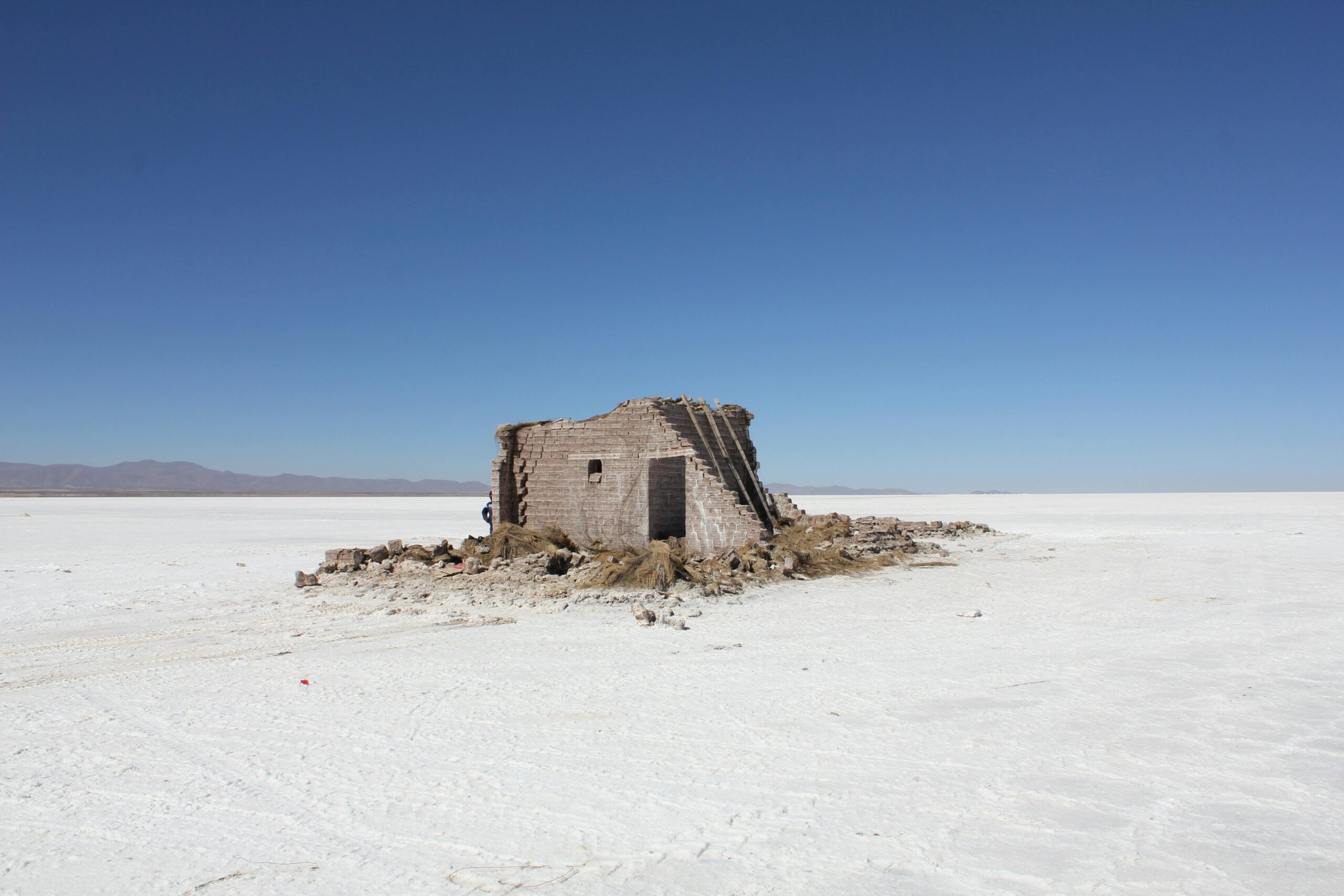
Preserving Legacy While Ensuring Future Viability
Thorough building envelope evaluation represents an investment in heritage preservation that yields multiple returns: extended building lifespan, maintained historic character, improved occupant comfort, reduced long-term maintenance costs, and sustained cultural significance. This systematic approach to understanding and protecting historic building envelopes ensures that architectural treasures endure as functional spaces rather than deteriorating relics.
The methodology combines respect for traditional materials and construction techniques with application of contemporary assessment technologies and building science principles. This balanced approach acknowledges that historic buildings were constructed to different performance standards while recognizing that preservation requires adaptation to contemporary use expectations and environmental realities.
Success depends on assembling qualified professionals who understand historic construction, employing appropriate assessment methodologies, documenting findings comprehensively, developing compatible intervention strategies, and implementing ongoing stewardship programs. Each element contributes to the overarching goal: safeguarding irreplaceable architectural heritage for future generations while ensuring buildings remain viable, functional, and valued components of the built environment.
As stewards of historic resources, we bear responsibility for decisions affecting buildings that have already survived decades or centuries. Thorough envelope assessment provides the knowledge foundation necessary for making informed preservation choices that honor the past, serve the present, and secure the future of our shared architectural legacy. 🏛️