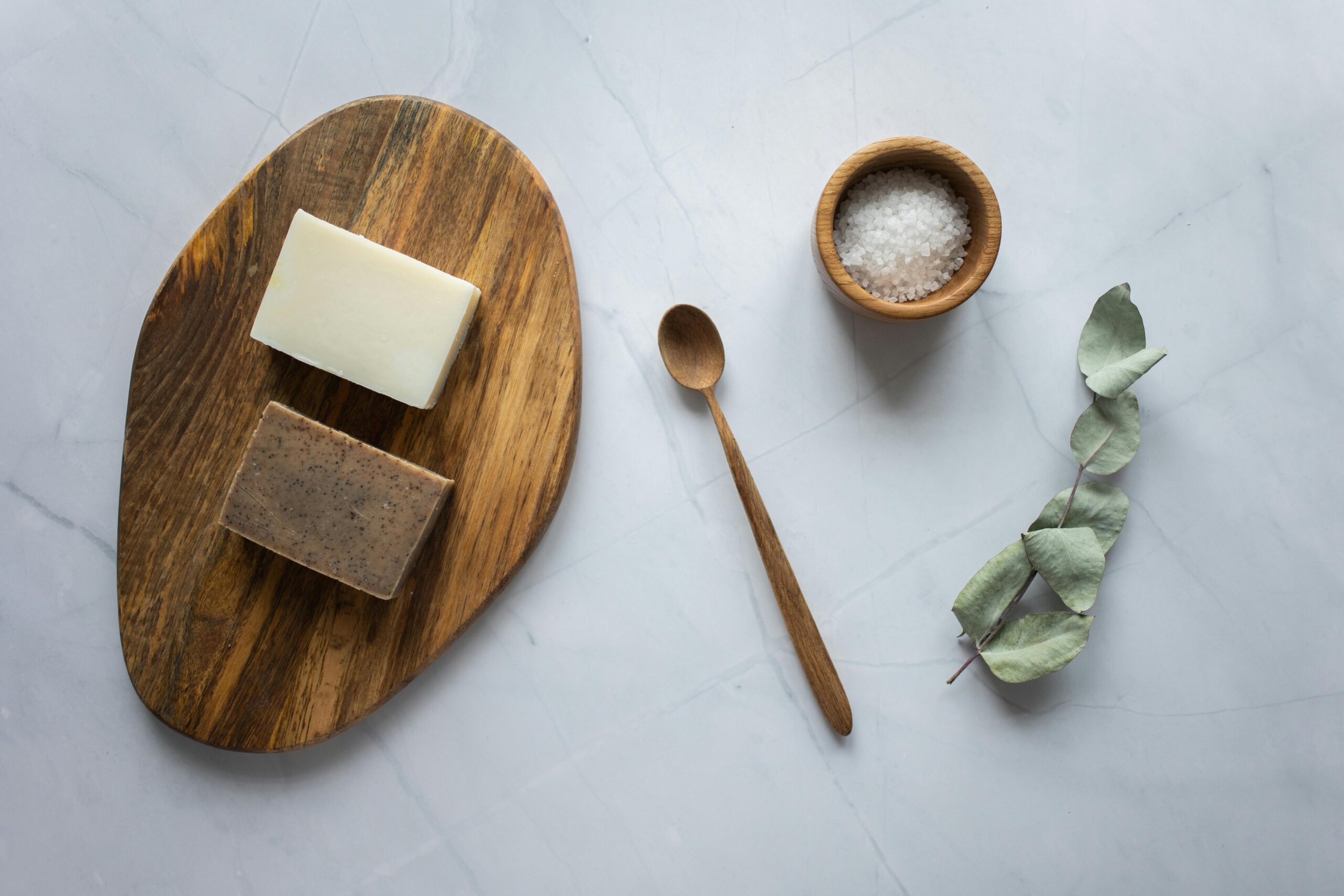
Keeping your fiber materials clean doesn’t require harsh chemicals that can damage delicate fabrics or harm your health and the environment. ✨

From natural rugs and upholstery to clothing and curtains, fiber materials are everywhere in our homes. These items accumulate dust, stains, and odors over time, requiring regular maintenance. However, conventional cleaning products often contain toxic substances that can weaken fibers, cause discoloration, and pose risks to children, pets, and anyone with sensitivities. The good news is that effective, chemical-free cleaning methods exist that are both safe and remarkably efficient.
This comprehensive guide explores natural cleaning techniques specifically designed for fiber materials. Whether you’re dealing with wool, cotton, linen, silk, synthetic blends, or specialty fibers, you’ll discover proven methods that clean thoroughly without compromising the integrity of your fabrics or your family’s wellbeing.
🌿 Understanding Why Chemical-Free Matters for Fiber Care
Traditional cleaning products contain ingredients like optical brighteners, synthetic fragrances, chlorine bleach, and petroleum-based solvents. These chemicals may provide quick results, but they come with significant downsides. They break down natural fiber proteins, strip protective oils, and leave residues that attract more dirt over time.
Chemical-free cleaning takes a different approach. By using natural substances that work with the fiber structure rather than against it, you preserve the material’s strength, texture, and appearance. Natural cleaning agents are biodegradable, non-toxic, and often more economical than commercial products.
People with allergies, asthma, or chemical sensitivities particularly benefit from chemical-free cleaning. Without harsh fumes and residual chemicals, indoor air quality improves dramatically. Children and pets can safely interact with cleaned surfaces without exposure to potentially harmful substances.
Essential Natural Cleaning Agents for Fiber Materials
Building a natural cleaning toolkit requires just a few versatile ingredients. These substances have been used for generations and continue to outperform many modern chemical formulations when properly applied.
White Vinegar: The Versatile Fiber Cleaner
White distilled vinegar is perhaps the most valuable natural cleaning agent for fabrics. Its mild acidity breaks down mineral deposits, neutralizes odors, and acts as a natural fabric softener. Vinegar is safe for most natural and synthetic fibers, though it should be diluted for delicate materials like silk.
For general cleaning, mix equal parts white vinegar and water in a spray bottle. This solution works beautifully on upholstery, curtains, and washable rugs. The vinegar smell dissipates as it dries, taking unwanted odors with it. For particularly stubborn smells, use undiluted vinegar on a test spot first.
Baking Soda: The Gentle Abrasive and Deodorizer
Sodium bicarbonate, commonly known as baking soda, offers gentle scrubbing power without scratching fibers. It absorbs odors at a molecular level and helps lift stains when made into a paste. Baking soda is exceptionally safe for all fiber types and can be used dry or wet.
Sprinkle baking soda directly onto carpets, rugs, or upholstery and let it sit for 15-30 minutes before vacuuming. For spot cleaning, create a paste with water and gently work it into the stained area with a soft brush. The mild alkalinity helps break down acidic stains like coffee, wine, and fruit juice.
Castile Soap: Plant-Based Cleaning Power
Made from vegetable oils rather than animal fats or petroleum derivatives, castile soap provides excellent cleaning without harsh additives. It’s concentrated, biodegradable, and safe for virtually all washable fibers. A little goes a long way, making it economical despite its slightly higher price point.
Dilute castile soap according to the cleaning task—typically one tablespoon per gallon of water for general cleaning. It creates a gentle lather that lifts dirt without stripping natural oils from fibers. Rinse thoroughly, as soap residue can attract dirt if left behind.
🧼 Cleaning Techniques for Specific Fiber Types
Different fiber materials require tailored approaches. Understanding your fabric’s composition ensures you choose methods that clean effectively without causing damage.
Natural Plant Fibers: Cotton, Linen, and Hemp
These robust fibers tolerate more vigorous cleaning than animal-based materials. Cotton and linen can handle warm water and gentle agitation. For machine-washable items, add half a cup of white vinegar to the rinse cycle to soften fibers and remove detergent residue naturally.
For spot cleaning cotton upholstery or curtains, use a solution of castile soap and water. Apply with a clean cloth, working from the outside of the stain toward the center to prevent spreading. Blot—never rub vigorously—to avoid damaging the weave. Finish by dabbing with plain water to remove soap residue.
Linen benefits from occasional steam cleaning, which refreshes fibers without excessive moisture. Hang linen items in a steamy bathroom or use a handheld steamer to remove wrinkles and odors without chemicals.
Animal Fibers: Wool, Silk, and Cashmere
Protein-based fibers require gentler handling and cooler temperatures. Heat and agitation cause these materials to shrink and felt. Use lukewarm or cool water exclusively, and avoid twisting or wringing.
For wool rugs and upholstery, dry cleaning with baking soda works wonderfully. Sprinkle generously, let sit for at least 30 minutes, then vacuum thoroughly. For wet cleaning, use a solution of one tablespoon castile soap per quart of cool water. Apply sparingly with a sponge, then blot with clean water.
Silk demands the most delicate approach. Test any cleaning solution on an inconspicuous area first. A mixture of one part white vinegar to four parts water can refresh silk without damage. Apply lightly with a clean, white cloth and air dry away from direct heat or sunlight.
Synthetic Fibers: Polyester, Nylon, and Acrylic
Man-made fibers are generally more durable and stain-resistant than natural materials, but they can attract and hold oils. Synthetic carpets and upholstery respond well to vinegar-based solutions, which cut through oily residues effectively.
Mix one cup white vinegar, one cup water, and one tablespoon castile soap for a powerful synthetic fiber cleaner. This combination tackles most common stains including grease, food, and dirt. For set-in stains, apply baking soda paste first, let it dry completely, then vacuum before using the liquid solution.
Targeted Solutions for Common Fiber Material Challenges
🔴 Removing Stubborn Stains Naturally
Different stains require specific approaches. Acting quickly always improves success rates, but even old stains can often be removed with patience and the right natural solution.
For protein-based stains like blood, milk, or egg, cold water is essential. Hot water sets these stains permanently. Soak the area in cold water mixed with a small amount of castile soap, then gently work the stain loose with your fingers or a soft brush.
Tannin stains from coffee, tea, and wine respond well to a mixture of equal parts white vinegar and water. Apply liberally, let sit for 10-15 minutes, then blot away. Repeat if necessary. For old wine stains, sprinkle the damp area with salt to draw out remaining pigments, then vacuum when dry.
Oil and grease stains benefit from cornstarch or baking soda applied immediately to absorb the oil. Let it sit for several hours or overnight, then vacuum. Follow with castile soap and warm water, working from the edges inward. The soap’s natural surfactants break down oil molecules without harsh degreasers.
Eliminating Odors Without Chemical Fragrances
Unpleasant odors in fiber materials often result from bacteria, mildew, or absorbed smells rather than dirt. Chemical air fresheners simply mask odors, while natural methods neutralize them at the source.
Baking soda remains the gold standard for odor elimination. For large items like mattresses or carpet, sprinkle liberally and leave overnight before vacuuming. Add a few drops of essential oil to the baking soda for a light, natural scent if desired. Lavender, tea tree, and eucalyptus oils also provide antimicrobial benefits.
For persistent musty odors, especially in stored fabrics, place items in direct sunlight for several hours. UV rays kill odor-causing bacteria naturally. Fresh air and sunlight together provide powerful deodorizing that no spray can match.
Vodka in a spray bottle makes an excellent odor neutralizer for items that can’t be washed easily. The alcohol evaporates quickly, taking smells with it without leaving residue. This works particularly well on delicate curtains, lampshades, and upholstered furniture.
💧 Proper Drying Techniques to Prevent Damage
How you dry fiber materials matters as much as how you clean them. Improper drying causes shrinkage, mildew, discoloration, and fiber degradation. Natural drying methods protect your investment while using less energy.
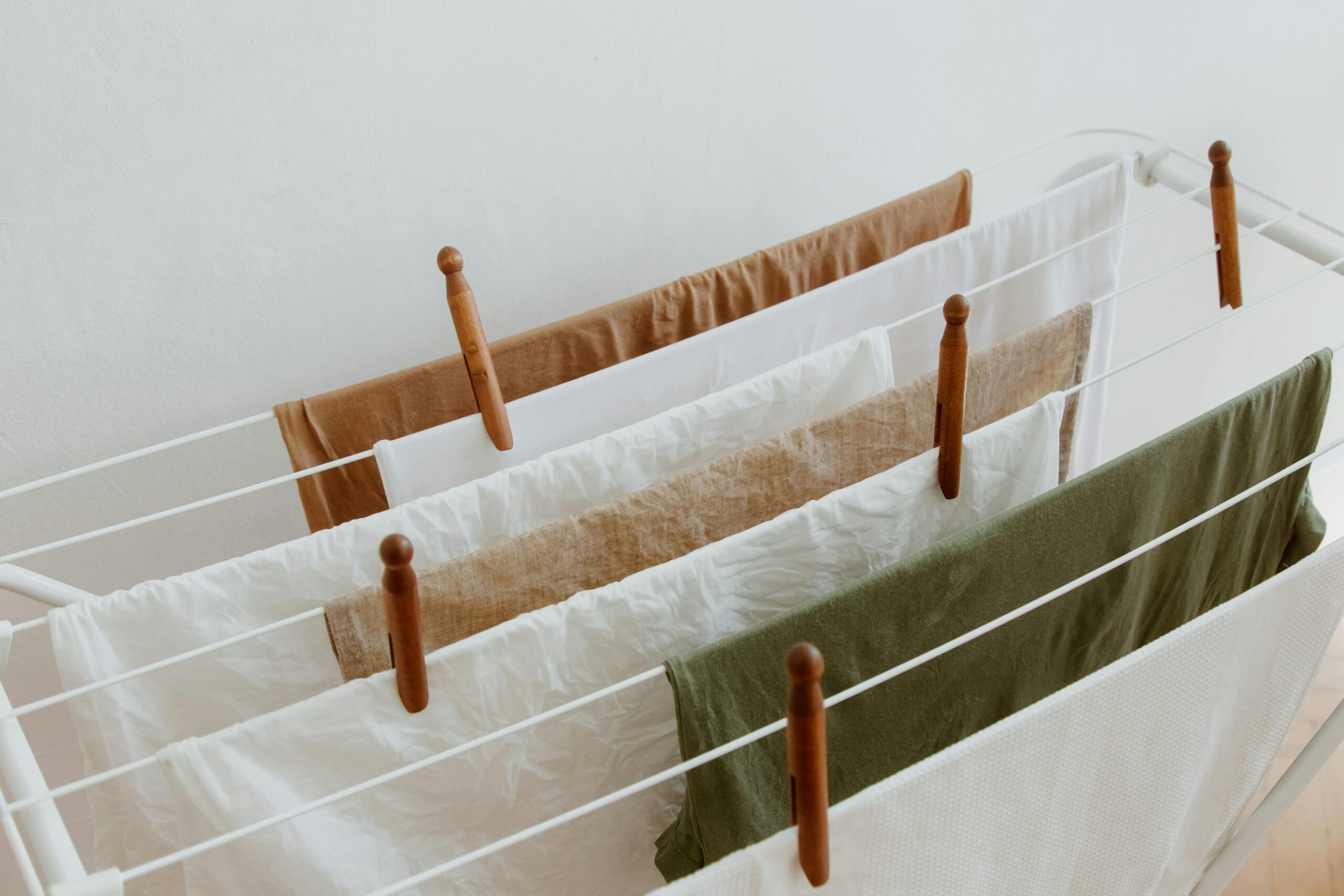
Air drying remains the safest method for most fiber materials. Lay items flat on clean towels, reshaping them to original dimensions. This prevents stretching and maintains the proper structure. For heavier items like wool sweaters, roll them in towels to remove excess moisture before laying flat.
Never hang wet heavy fabrics, as gravity will stretch and distort the fibers. Light items like cotton shirts and linen napkins can hang on a line or rack. Ensure good air circulation around all sides to prevent musty odors from developing.
Avoid direct sunlight for colored fabrics, which can fade. However, white linens and cottons benefit from sun bleaching, which naturally whitens and sanitizes without chlorine. The combination of UV light and fresh air provides natural antimicrobial action.
Creating Your Natural Cleaning Schedule
Regular maintenance prevents deep-set stains and extends the life of fiber materials. A consistent schedule makes chemical-free cleaning more effective and less time-consuming.
For high-traffic areas and frequently used items, vacuum or shake out weekly. This removes surface dirt before it works into fibers. Apply baking soda monthly to carpets and upholstery, leaving it for 30 minutes before vacuuming to freshen and deodorize.
Deep clean fiber materials seasonally or as needed. This involves more thorough methods like steam cleaning carpets or washing curtains. Rotating and flipping reversible items distributes wear and keeps them looking better longer.
Address spills and stains immediately. The longer a substance sits on fibers, the more difficult removal becomes. Keep your natural cleaning supplies readily accessible so you can act quickly when accidents happen.
🌍 Environmental and Health Benefits of Chemical-Free Fiber Cleaning
Beyond protecting your fabrics, chemical-free cleaning offers broader benefits that extend to your household and the planet. Understanding these advantages reinforces the value of natural methods.
Conventional cleaning products contribute to indoor air pollution. Volatile organic compounds evaporate from these products, reducing air quality for days after use. Natural alternatives release no harmful fumes, creating a healthier breathing environment.
Waterways benefit when you eliminate chemical cleaners. Synthetic fragrances, optical brighteners, and other additives contaminate water supplies and harm aquatic life. Natural cleaning agents biodegrade safely, leaving no toxic residues in the environment.
Financial savings accumulate over time. Basic natural cleaning ingredients cost significantly less than specialized commercial products. A single box of baking soda, bottle of vinegar, and container of castile soap can handle most household cleaning needs for months.
Troubleshooting Common Chemical-Free Cleaning Concerns
Transitioning to natural cleaning sometimes raises questions or challenges. Understanding solutions to common concerns ensures success with these methods.
If vinegar smell bothers you, remember it dissipates completely as it dries. For those particularly sensitive to the scent, add a few drops of essential oil to cleaning solutions. Alternatively, use lemon juice, which provides similar acidic cleaning power with a more pleasant aroma.
When natural methods seem less effective than chemical cleaners, the issue is usually technique or expectations. Natural cleaning may require slightly more time or repetition, especially on neglected stains. However, the long-term benefits to fiber integrity and health far outweigh the minimal extra effort.
Hard water can interfere with natural cleaning by creating mineral deposits. If you have hard water, increase the proportion of vinegar in cleaning solutions to counteract mineral content. Consider installing a water softener for best results with natural cleaning throughout your home.
🛡️ Protecting Fiber Materials Between Cleanings
Prevention reduces the need for intensive cleaning. Simple protective measures keep fiber materials cleaner longer while extending their lifespan.
Use washable throws and covers on upholstered furniture in high-use areas. These act as sacrificial barriers that absorb wear and stains, protecting the underlying fabric. Wash covers regularly using natural methods to maintain freshness.
Implement a no-shoes policy indoors to dramatically reduce tracked-in dirt. Place natural fiber mats at entrances to capture dust and debris before it spreads throughout your home. Shake out or vacuum these mats frequently.
Rotate cushions and rugs regularly to distribute wear evenly. This simple practice prevents permanent indentations and uneven fading. For area rugs, use natural rubber pads underneath to prevent slipping and reduce fiber wear from friction.
Building Long-Term Success with Natural Fiber Care
Committing to chemical-free cleaning creates lasting benefits for your home, health, and environment. Start gradually, replacing chemical products as they run out rather than discarding everything at once. This economical approach eases the transition.
Keep natural cleaning supplies in convenient locations throughout your home. Small spray bottles of vinegar solution in bathrooms and the kitchen enable quick action on spills before they become stains. A shaker container of baking soda in the laundry room facilitates regular freshening of washable items.
Share your knowledge with family members so everyone understands proper care techniques for different fiber materials. When household members know how to address spills correctly using natural methods, fiber materials stay cleaner and last longer.
Document which natural solutions work best for specific items in your home. Over time, you’ll develop an intuitive understanding of fiber care that makes the process second nature. The skills you build through chemical-free cleaning serve you for life, saving money and protecting health indefinitely.
By embracing natural, chemical-free methods for cleaning fiber materials, you take control of your home environment. You protect delicate fabrics from harsh chemical damage while safeguarding your family’s health. The techniques outlined here provide everything needed to maintain beautiful, clean fiber materials using only safe, effective natural ingredients. Your fabrics will look better, last longer, and contribute to a healthier home for everyone. 🏡