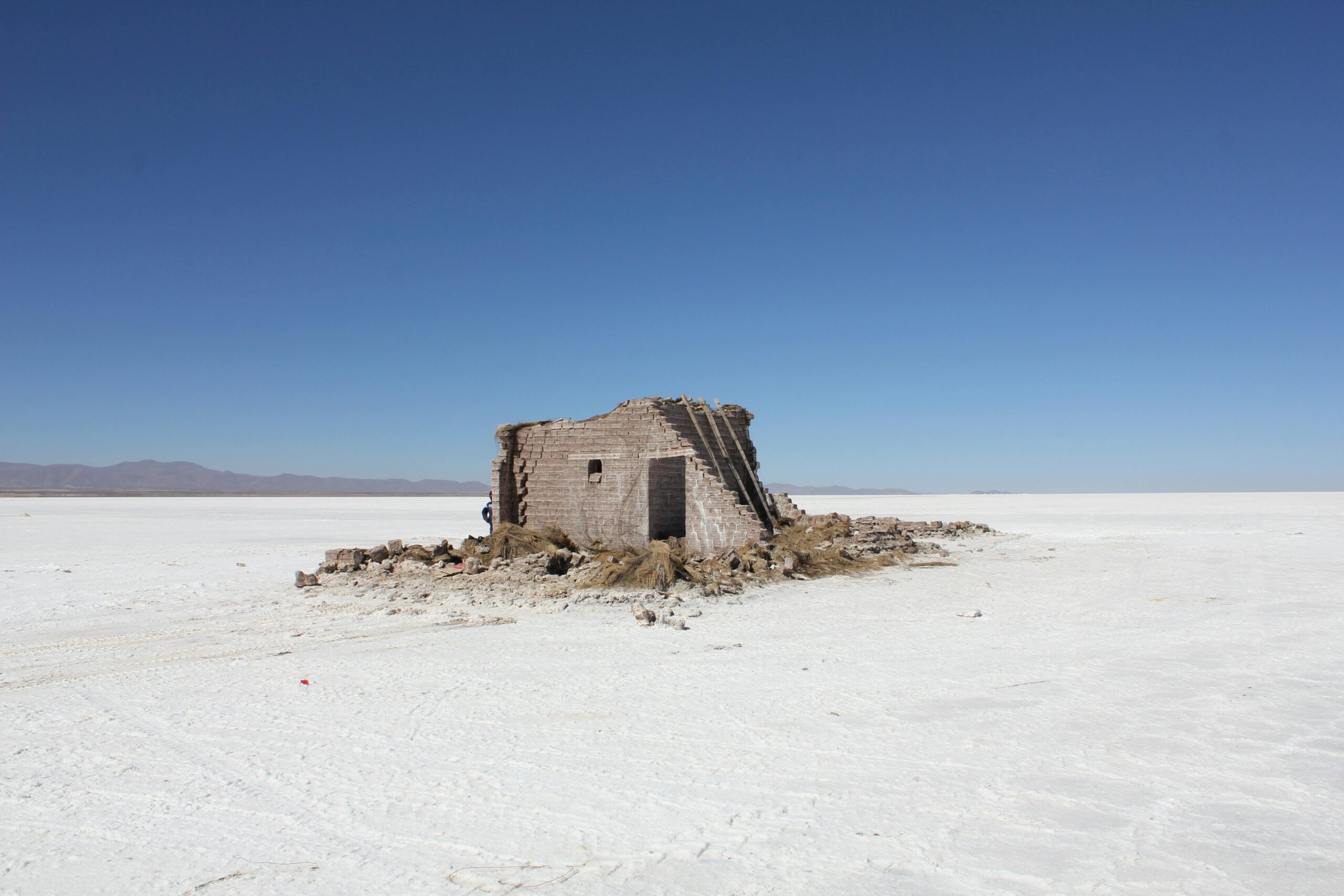
Botanical restoration projects worldwide are proving that even the most degraded ecosystems can flourish again, offering hope for environmental recovery and sustainable futures.

🌱 The Rising Importance of Botanical Restoration in Modern Conservation
As climate change accelerates and biodiversity loss reaches critical levels, botanical restoration has emerged as one of humanity’s most powerful tools for environmental healing. These projects go beyond simple tree planting—they represent sophisticated, science-driven efforts to rebuild entire ecosystems from the ground up. From tropical rainforests to urban green spaces, restoration initiatives are demonstrating that with proper planning, community engagement, and ecological knowledge, we can reverse decades of environmental degradation.
The United Nations Decade on Ecosystem Restoration (2021-2030) has brought unprecedented attention to these efforts, catalyzing projects across continents. Botanical restoration addresses multiple challenges simultaneously: carbon sequestration, habitat creation for endangered species, soil regeneration, water cycle restoration, and providing sustainable livelihoods for local communities. The success stories emerging from these projects offer valuable blueprints for scaling up restoration efforts globally.
🌿 The Atlantic Forest Revival: Brazil’s Green Corridor Initiative
Once covering approximately 1.5 million square kilometers along Brazil’s coastline, the Atlantic Forest has been reduced to less than 12% of its original extent. The Green Corridor Initiative represents one of South America’s most ambitious botanical restoration projects, aiming to reconnect fragmented forest patches through strategic reforestation.
Launched in the early 2000s, this project has successfully restored over 70,000 hectares of degraded land by implementing a multi-phase approach. The initiative began with careful ecological surveys to identify priority areas where restoration would have maximum impact on biodiversity connectivity. Native seedlings from over 200 species were cultivated in community nurseries, ensuring genetic diversity and adaptation to local conditions.
The results have exceeded expectations. Within fifteen years, restored areas showed remarkable recovery of endemic species, including populations of golden lion tamarins and numerous bird species previously absent from the region. The project also created economic opportunities through sustainable harvesting of native fruits, seeds, and medicinal plants, demonstrating that conservation and community development can thrive together.
Key Success Factors in the Atlantic Forest Project
- Comprehensive baseline ecological assessments before restoration began
- Active participation of local communities in planning and implementation
- Use of accelerated succession techniques combining pioneer and climax species
- Long-term monitoring protocols to track ecosystem recovery metrics
- Integration of restoration with sustainable economic activities
- Strategic placement of corridors to maximize wildlife movement
🏜️ Desert Reclamation: The Kubuqi Desert Transformation
The Kubuqi Desert in Inner Mongolia presents one of the most remarkable botanical restoration success stories in recent history. This 18,600-square-kilometer desert was once considered irreversibly degraded, yet over the past three decades, approximately 6,000 square kilometers have been successfully greened through innovative restoration techniques.
The project employed a combination of traditional ecological knowledge and modern technology. Researchers developed drought-resistant native plant varieties specifically adapted to harsh desert conditions. The restoration team pioneered a technique called “aerial seeding” where seeds encased in nutrient-rich clay balls were distributed across vast areas, dramatically reducing labor costs and increasing coverage efficiency.
Perhaps most innovative was the “sand industry” model developed alongside ecological restoration. Companies were incentivized to invest in restoration by being granted rights to develop sustainable desert-based industries such as solar energy, eco-tourism, and cultivation of drought-resistant medicinal plants. This created a self-sustaining financial model that didn’t rely solely on government funding.
The ecological benefits have been profound. The restored areas now support over 530 species of plants and more than 300 wildlife species. Local communities have seen dramatic improvements in air quality, reduction in sandstorms, and increased agricultural productivity on surrounding lands. The project has lifted over 100,000 people out of poverty while simultaneously healing the landscape.
🌳 Urban Forest Renaissance: Singapore’s City in a Garden Vision
Singapore’s transformation from a tropical island nation with limited green space into one of the world’s greenest cities represents a unique case study in urban botanical restoration. The “City in a Garden” initiative demonstrates how botanical restoration can thrive even in densely populated urban environments.
The project integrated botanical restoration into urban planning at every level. Vertical gardens on buildings, rooftop forests, restored mangrove ecosystems along coastlines, and the creation of park connectors linking green spaces across the island have collectively added thousands of hectares of vegetated area without expanding the city’s footprint.
The innovative “Nature Ways” concept created wildlife corridors beneath roads and through urban areas, allowing species movement across the island. Native plant species were prioritized in all restoration efforts, with over 2,000 species now thriving in urban settings. The restoration work focused particularly on bringing back plants that support native wildlife, including butterflies, birds, and pollinators.
Measurable Outcomes from Singapore’s Urban Restoration
- Temperature reduction of 2-3 degrees Celsius in heavily vegetated areas compared to concrete zones
- Return of 50+ bird species previously absent from urban core areas
- Improved mental health outcomes for residents with access to green spaces
- Enhanced storm water management through natural absorption systems
- Significant increases in urban biodiversity indices over two decades
🦋 Meadow Restoration: Rewilding Britain’s Lost Grasslands
Britain has lost 97% of its wildflower meadows since the 1930s, making meadow restoration a critical conservation priority. Several projects across the UK have demonstrated that these botanically diverse ecosystems can be successfully restored, bringing back crucial habitats for pollinators and other wildlife.
The Coronation Meadows project, initiated in 2013, took a unique approach by identifying remaining high-quality meadows and using them as “donor sites.” Seeds and hay from these pristine meadows were spread on degraded agricultural land, effectively transferring entire plant communities including rare and locally adapted species.
Restoration practitioners learned that recreating meadows requires more than simply scattering wildflower seeds. Soil preparation proved critical—many sites required removal of excess nutrients accumulated during agricultural use. Creating the right soil conditions allowed native wildflowers to compete effectively with aggressive grasses and invasive species.
Within five years, restored meadows showed remarkable botanical diversity, with some sites supporting over 100 plant species per hectare. This botanical recovery triggered cascading ecological benefits: bee populations increased by 300% in some areas, butterfly species returned, and small mammals found abundant food sources and shelter.
💧 Wetland Restoration: Florida’s Everglades Comprehensive Restoration Plan
The Everglades restoration represents the largest and most expensive environmental restoration project in history, with an estimated cost exceeding $10 billion over multiple decades. This massive undertaking aims to restore natural water flow patterns to the “River of Grass” that has been severely disrupted by drainage, agricultural development, and urban expansion.
Botanical restoration forms the ecological foundation of this project. Native sawgrass prairies, which once covered millions of acres, are being reestablished through careful water management and removal of invasive plants like melaleuca and Brazilian pepper. Mangrove forests along coastal areas are being restored to protect against storm surge while providing critical nursery habitat for marine species.
The project faces unique challenges, including balancing the water needs of agriculture, urban populations, and natural ecosystems. Innovative engineering solutions like stormwater treatment areas use native aquatic plants to filter agricultural runoff before water enters the ecosystem. These constructed wetlands now cover over 57,000 acres and remove tons of phosphorus annually through botanical uptake.
Early results show promise despite the project’s complexity. Native plant communities are recovering in areas where natural water flow has been restored. Fish populations have increased, and wading bird nesting has improved in some regions. The project illustrates that even massively altered ecosystems can begin healing when fundamental ecological processes are restored.
🌺 Lessons from the Field: Universal Principles for Restoration Success
Analyzing successful botanical restoration projects reveals several universal principles that consistently contribute to positive outcomes. These lessons provide valuable guidance for future restoration initiatives regardless of ecosystem type or geographic location.
First, ecological integrity must guide all decisions. Successful projects prioritize native species appropriate to the specific site conditions and historical plant communities. They resist the temptation to use fast-growing non-native species that might provide quick visual results but ultimately undermine long-term ecological goals.
Second, patience and adaptive management prove essential. Ecological restoration operates on nature’s timeline, not human preference. Projects that build in extended monitoring periods and adjust strategies based on observed results consistently outperform those with rigid, unchanging approaches.
Third, community engagement transforms restoration sustainability. Projects that meaningfully involve local communities in planning, implementation, and benefit-sharing create stakeholders invested in long-term success. This social dimension often determines whether restored ecosystems continue to flourish or deteriorate after initial project funding ends.
Critical Success Factors Across Restoration Projects
- Thorough site assessment and establishment of clear, measurable goals before work begins
- Use of locally-sourced native plants with genetic diversity matching the restoration site
- Control of invasive species as a foundational priority, not an afterthought
- Integration of restoration with broader landscape-level conservation strategies
- Adequate long-term funding for monitoring and adaptive management
- Partnership building across sectors including government, NGOs, private sector, and communities
- Documentation and sharing of results to contribute to restoration science
🔬 Technology and Innovation Accelerating Restoration Outcomes
Modern botanical restoration increasingly leverages cutting-edge technology to improve efficiency and effectiveness. Remote sensing and drone technology enable detailed vegetation mapping and monitoring across large landscapes, identifying priority areas and tracking restoration progress with unprecedented precision.
Genetic analysis tools help restoration practitioners select plant materials with optimal characteristics for restoration success. By understanding the genetic diversity and local adaptation of plant populations, restorationists can match plants to specific site conditions and ensure restored populations have the resilience to adapt to changing environmental conditions.
Artificial intelligence and machine learning are being applied to predict restoration outcomes under various scenarios and optimize species selection and planting arrangements. These tools process vast datasets on climate, soil, hydrology, and species interactions to provide evidence-based recommendations that would be impossible through traditional analysis alone.
Seed technology innovations, including seed coating techniques that improve germination rates in challenging conditions, are expanding where restoration can succeed. These advances are particularly valuable in degraded sites where poor soil conditions and harsh microclimate conditions traditionally made establishment difficult.
🌍 Scaling Up: From Successful Pilots to Global Impact
The challenge facing the restoration movement is transitioning from successful pilot projects to landscape-scale implementation. The successful case studies profiled here demonstrate what’s possible, but achieving the scale of restoration necessary to address global environmental challenges requires systemic changes in funding, policy, and social commitment.
Several mechanisms show promise for scaling restoration efforts. Payment for ecosystem services programs create financial incentives for landowners to restore and maintain native vegetation. Carbon markets increasingly recognize restoration projects as legitimate carbon offset mechanisms, channeling private sector investment into restoration work.
Government policies that integrate restoration into infrastructure development, agricultural support programs, and climate adaptation strategies can mainstream restoration practices. Several countries now require development projects to achieve “net positive” biodiversity outcomes, driving significant investment in restoration as compensatory mitigation.
The emergence of restoration as a employment sector provides another scaling mechanism. Training programs are developing the skilled workforce needed for large-scale restoration implementation. Social enterprises focused on native plant production, restoration contracting, and sustainable harvesting from restored ecosystems are creating business models that make restoration economically self-sustaining.

🌟 Growing Hope Through Botanical Restoration
The case studies explored here represent diverse ecosystems, geographic contexts, and implementation approaches, yet they share common threads of possibility and renewal. From Brazil’s Atlantic Forest to China’s Kubuqi Desert, from Singapore’s urban integration to Britain’s meadows and Florida’s Everglades, these projects prove that ecological healing is achievable when approached with scientific rigor, community partnership, and sustained commitment.
These success stories provide more than inspiration—they offer practical blueprints for restoration practitioners worldwide. The lessons learned, techniques developed, and results achieved create a growing knowledge base that makes each new restoration project more likely to succeed than the last.
As we face unprecedented environmental challenges, botanical restoration stands out as a solution that works with nature rather than against it. These projects sequester carbon, protect biodiversity, restore ecosystem services, and improve human wellbeing simultaneously. They represent investments that compound in value over time as restored ecosystems mature and provide increasing benefits.
The path toward a greener future runs directly through botanical restoration. Every hectare of degraded land brought back to ecological health, every native plant community reestablished, and every ecosystem process restored represents tangible progress toward environmental sustainability. The blooming success of these pioneering projects lights the way forward, demonstrating that with knowledge, resources, and will, we can restore the botanical diversity upon which all life depends. The question is no longer whether restoration can succeed at scale, but whether we will commit the resources and effort necessary to realize its full potential for healing our planet. 🌱