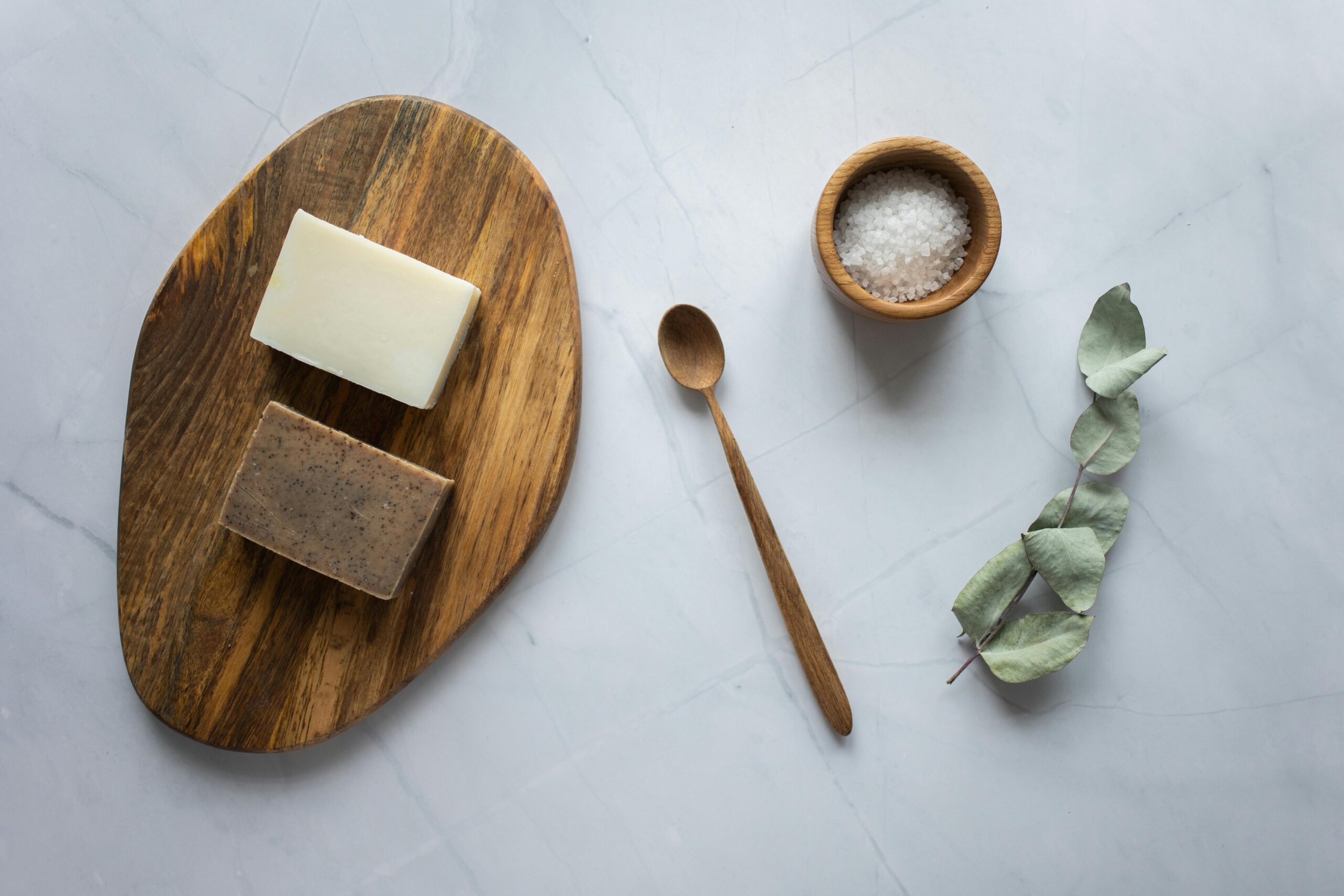
Botanical materials have served humanity for millennia, offering sustainable solutions that modern heritage conservation increasingly values and rediscovers for preserving cultural treasures.

🌿 The Ancient Wisdom of Plant-Based Conservation
Long before synthetic polymers and industrial chemicals dominated the conservation field, our ancestors relied entirely on nature’s pharmacy to protect their most valued possessions. From Egyptian papyrus preservation using plant oils to Asian manuscript conservation with herbal preparations, botanical materials formed the cornerstone of heritage protection. These time-tested methods have not only survived centuries but are experiencing a remarkable renaissance as conservators worldwide seek sustainable, reversible, and culturally appropriate alternatives to synthetic materials.
The relationship between plants and preservation extends far beyond simple practicality. Many traditional cultures understood the antimicrobial, antifungal, and protective properties of specific botanical compounds long before modern science could explain their mechanisms. This empirical knowledge, passed down through generations, represents an invaluable repository of conservation wisdom that contemporary practitioners are only beginning to fully appreciate and scientifically validate.
Understanding the Chemistry Behind Botanical Preservation
Plant materials contain an astonishing array of chemical compounds that make them naturally suited for conservation purposes. Tannins, resins, essential oils, polysaccharides, and alkaloids each contribute unique protective properties that have been harnessed across cultures and centuries. These compounds work through various mechanisms: some create physical barriers against environmental damage, others possess inherent antimicrobial activity, while certain substances can stabilize degrading materials or consolidate fragile structures.
Tannins, abundant in oak galls, tea, and numerous tree barks, have been particularly valued in heritage conservation. These polyphenolic compounds bind to proteins and form stable complexes that resist decomposition. Historical manuscripts treated with tannin-rich preparations often exhibit remarkable longevity, their iron-gall inks remaining legible after centuries. The astringent properties of tannins also help consolidate deteriorating materials, making them invaluable in treating weakened textiles and paper artifacts.
Essential Oils: Nature’s Antimicrobial Arsenal
Essential oils extracted from plants like thyme, clove, lavender, and cedar have demonstrated powerful antimicrobial and antifungal properties. These volatile compounds can protect organic heritage materials from biological attack without the toxicity concerns associated with many synthetic biocides. Research has shown that certain essential oil formulations can effectively combat common museum pests and microorganisms while remaining safe for both conservators and artifacts.
The advantage of essential oils extends beyond their efficacy. Unlike many synthetic pesticides, these botanical compounds typically leave minimal residue, are naturally biodegradable, and pose fewer health risks to conservation professionals who work with them daily. Their volatility also means they don’t accumulate in artifacts over time, addressing one of the primary concerns with traditional chemical treatments.
Traditional Applications Across Global Cultures 🌍
Different civilizations developed sophisticated botanical conservation techniques adapted to their local environments and available plant species. In Asia, particularly in China and Japan, conservators have long used plant-based adhesives derived from wheat starch, rice, and seaweed for mounting scrolls and repairing paper artifacts. These materials offer excellent reversibility, a crucial requirement in conservation ethics, and age gracefully without causing damage to original materials.
Indian palm leaf manuscript conservation represents another fascinating tradition. Conservators apply specially prepared coconut oil infused with protective herbs to preserve these ancient texts. The oil creates a flexible protective coating that prevents brittleness while the botanical additives provide antimicrobial protection. This treatment, refined over centuries, allows manuscripts to survive in challenging tropical climates where humidity and biological activity would otherwise rapidly destroy organic materials.
Mediterranean and Middle Eastern Traditions
The Mediterranean region contributed significantly to botanical conservation knowledge. Ancient Greeks and Romans used cedar oil to preserve manuscripts, capitalizing on its natural insecticidal properties. Arabic manuscript traditions incorporated rose water, saffron, and other botanical preparations both for their protective qualities and their pleasant aromatic properties. These treatments often served dual purposes: preservation and sensory enhancement that made handling aged documents a more pleasant experience.
In medieval Europe, monastic scriptoria developed complex recipes involving plant extracts for treating parchment and protecting illuminated manuscripts. Oak gall ink, combined with careful parchment preparation using plant-based tanning agents, created documents that remain readable centuries later. The survival of these medieval manuscripts testifies to the effectiveness of these botanical approaches.
Modern Scientific Validation and Applications
Contemporary conservation science has begun rigorously testing traditional botanical materials, often confirming the wisdom of historical practices while uncovering the mechanisms behind their effectiveness. Analytical chemistry techniques reveal how plant compounds interact with heritage materials at the molecular level, providing scientific rationale for treatments that were previously understood only through empirical observation.
Research institutions worldwide are systematically investigating botanical conservation materials. Studies examine factors like long-term stability, reversibility, interaction with different substrate materials, and potential side effects. This scientific validation serves multiple purposes: it helps conservators make informed decisions based on evidence, identifies optimal application methods, and sometimes reveals ways to improve traditional formulations using contemporary knowledge.
Innovative Botanical Consolidants
One exciting area of research involves developing botanical alternatives to synthetic consolidants used for stabilizing deteriorating artifacts. Natural gums like tragacanth and Arabic gum, polysaccharides from algae, and modified plant starches show promise for treating fragile paper, textiles, and even some painted surfaces. These materials often exhibit excellent compatibility with historic substrates since many artifacts were originally created using similar plant-based materials.
Researchers are also exploring nano-formulations of botanical materials that can penetrate deeply into degraded structures while maintaining the beneficial properties of traditional preparations. These developments represent a fascinating convergence of ancient wisdom and cutting-edge nanotechnology, creating conservation treatments that honor traditional approaches while leveraging modern understanding of materials science.
Sustainable Conservation: Environmental and Ethical Considerations ♻️
The conservation field increasingly recognizes its responsibility to practice sustainable stewardship not only of cultural heritage but also of environmental resources. Botanical materials align perfectly with this ethical imperative. Unlike petroleum-based synthetic polymers, plant-derived conservation materials come from renewable sources, biodegrade naturally, and typically require less energy-intensive processing.
This sustainability extends beyond environmental concerns to encompass cultural appropriateness and social responsibility. For indigenous communities and cultures with strong botanical traditions, using plant-based conservation materials represents a form of cultural continuity. It respects traditional knowledge systems and can involve local communities in heritage preservation, creating meaningful connections between people and their cultural patrimony.
Addressing the Challenges of Sourcing
Despite their advantages, botanical conservation materials present sourcing challenges that must be carefully managed. Some traditional materials come from endangered plant species or ecosystems under pressure. Ethical conservation practice requires ensuring that plant materials are sustainably harvested or cultivated, with proper attention to biodiversity conservation and local community rights.
Fortunately, many botanical materials can be cultivated or sustainably wildcrafted. Organizations are developing certification systems similar to those used in herbal medicine and natural cosmetics to ensure conservation materials meet ethical sourcing standards. This attention to supply chain ethics strengthens the overall sustainability argument for botanical conservation approaches.
Practical Implementation in Contemporary Conservation
Integrating botanical materials into modern conservation practice requires careful consideration of numerous factors. Conservators must understand not only the properties of plant materials themselves but also how they interact with specific heritage objects, environmental conditions, and long-term preservation goals. Successful implementation often involves combining traditional knowledge with contemporary analytical techniques and documentation standards.
Training represents a crucial element. While traditional knowledge holders possess deep understanding of botanical materials, formal conservation training programs have historically emphasized synthetic materials. Bridging this gap requires educational initiatives that teach both the science of plant-based conservation materials and the traditional knowledge systems that developed these approaches. Several institutions now offer specialized workshops and courses addressing this need.
Documentation and Monitoring Protocols
Implementing botanical conservation treatments demands rigorous documentation. Conservators must record exact formulations, application methods, and observed results to build the evidence base for these approaches. Long-term monitoring is essential to understand how botanical treatments perform over decades, identifying any unforeseen interactions or degradation patterns.
Advanced analytical techniques allow detailed characterization of botanical conservation materials before and after application. Spectroscopy, chromatography, and microscopy reveal how plant compounds interact with heritage materials at the molecular and structural levels. This scientific rigor ensures botanical approaches meet the same professional standards as any conservation treatment.
Case Studies: Botanical Conservation Success Stories 📚
Numerous successful projects demonstrate the viability of botanical conservation approaches. The conservation of ancient Buddhist manuscripts in Tibetan monasteries provides a compelling example. Conservators working on these projects have revived traditional barley starch paste preparations, combined with local plant extracts, to repair damaged texts. The treatments respect the spiritual and cultural significance of the manuscripts while providing effective stabilization.
In West Africa, the conservation of historic mosques constructed from earth and botanical materials has benefited from renewed attention to traditional maintenance practices. These structures, some designated as UNESCO World Heritage Sites, require regular care using mud plasters mixed with plant fibers and protective botanical compounds. Modern conservation efforts work alongside local communities who maintain traditional knowledge of these materials and techniques.
Textile Conservation with Plant Dyes and Consolidants
Historic textile conservation has seen particularly successful applications of botanical materials. Natural dyes used to restore faded areas of historic textiles offer superior compatibility with original materials compared to synthetic alternatives. Plant-based consolidants help stabilize deteriorating fibers without the stiffness or discoloration sometimes caused by synthetic products.
A notable project involved conserving ancient Andean textiles using botanical materials traditional to the region. Conservators collaborated with local weavers and natural dyers, accessing specialized knowledge about plant-based treatments. The project not only successfully preserved important artifacts but also strengthened community connections to cultural heritage and validated traditional knowledge systems.
Future Directions: Research and Innovation Horizons 🔬
The field of botanical conservation materials stands at an exciting juncture. Emerging research directions promise to expand the toolkit available to conservators while deepening our understanding of plant-material interactions with heritage objects. Biotechnology offers potential to enhance beneficial properties of botanical materials or produce specific compounds through sustainable fermentation processes rather than plant extraction.
Climate change adaptation represents another crucial research area. As environmental conditions shift, conservation strategies must evolve. Botanical materials may offer advantages in changing conditions, particularly their flexibility and compatibility with traditional building materials in historic structures facing new environmental stresses.
Interdisciplinary Collaboration
Advancing botanical conservation requires collaboration across disciplines. Ethnobotanists, traditional knowledge holders, conservation scientists, chemists, and materials engineers must work together to fully realize the potential of plant-based approaches. This collaboration enriches research with diverse perspectives and knowledge systems, leading to more innovative and culturally responsive conservation solutions.
Digital technologies also play a role. Databases cataloging traditional botanical conservation recipes, chemical compositions, and application techniques make this knowledge more accessible to conservators worldwide. Online platforms facilitate knowledge exchange between practitioners working with botanical materials in different contexts and cultures.
Bridging Traditional Knowledge and Modern Practice 🌉
Perhaps the most significant aspect of botanical conservation lies in its potential to bridge traditional knowledge and contemporary scientific practice. This integration honors the wisdom of ancestors who developed these approaches while applying modern analytical rigor to understand and optimize them. It represents a more inclusive vision of conservation science that recognizes value in diverse knowledge systems.
This bridging process requires humility and respect from all participants. Scientific investigators must approach traditional knowledge with genuine appreciation rather than merely seeking to extract and validate information. Traditional knowledge holders deserve recognition as equal partners in conservation research, with proper attribution and benefit sharing for their contributions.
The future of heritage conservation likely involves not choosing between botanical and synthetic materials but thoughtfully selecting appropriate approaches for specific contexts. Botanical materials offer compelling advantages in sustainability, cultural appropriateness, and compatibility with historic substrates. As research continues validating and refining these approaches, they will increasingly take their rightful place as essential tools in the conservator’s repertoire, preserving our shared heritage while respecting both cultural traditions and environmental sustainability.